
If you’ve ever watched a talented team stall out despite clear goals and strong intentions, you’ve probably wondered: why don’t insight and action always connect? The difference often comes down to whether new ideas actually translate into measurable shifts in behavior—at the individual, team, and organizational level. Integral AI coaching stands out by not just teaching concepts, but by guiding users through real-world scenarios where those concepts become daily habits, leading to visible improvements in effectiveness, decision-making, and culture. The ICF/PwC Global Coaching Study confirms that executive coaching delivers an average ROI of 529%, with organizations reporting measurable improvements in leadership effectiveness and business outcomes.
What Is Integral AI Coaching and How Does It Move Beyond Theory?
Integral AI coaching is more than just digital advice or automated check-ins. At its core, it blends the Integral Model—a framework that addresses mindset, skills, culture, and systems—with advanced AI algorithms to provide personalized, actionable coaching at scale. Unlike traditional one-size-fits-all digital learning, this approach adapts to each user’s context, goals, and challenges, helping them bridge the gap between what they know and what they actually do. McKinsey research indicates that companies using AI in talent development see a 25% improvement in employee performance, particularly when AI augments human coaching capabilities.
Most professionals assume that coaching—especially when powered by AI—can only address surface-level skills or basic performance issues. But research consistently demonstrates that, when grounded in proven coaching methodologies, AI can catalyze deep, sustainable behavioral change across complex, high-stakes environments (PubMed Central, 2022).
Here’s the thing: the real magic of integral AI coaching isn’t just in delivering knowledge, but in operationalizing it—making it stick, measurable, and visible in day-to-day decisions. Let’s break down how that happens.
How Does Integral AI Coaching Turn Insights Into Measurable Behavioral Change?
The journey from theory to action in integral AI coaching follows a structured, evidence-based path:
-
Assessment and Awareness:
The process starts with a holistic assessment—mapping not just competencies, but also mindsets, values, and systemic factors. This is where the AQAL (All Quadrants, All Levels) framework comes in, helping users see their challenges from multiple perspectives: self, others, culture, and systems. -
Personalized Goal Setting:
Instead of generic objectives, the AI coach helps users define SMART (Specific, Measurable, Achievable, Relevant, Time-bound) goals that align with both organizational priorities and personal growth areas. -
Scenario-Based Micro-Coaching:
Rather than abstract advice, users engage in real or simulated workplace scenarios—like leading a difficult meeting, giving feedback, or navigating a cross-functional project—where the AI coach provides context-specific guidance, feedback, and reflection prompts. -
Action and Accountability:
The platform tracks progress, nudges users toward next steps, and helps them reflect on what worked and what didn’t. This creates a feedback loop where small wins accumulate into lasting change. -
Measurement and Analytics:
Behavioral change is tracked using a mix of self-assessment, peer feedback, and objective performance data, all visualized in dashboards that make progress transparent and actionable ([Retorio AI], Insurance Sales Agent Training: 7 Steps to Scale).
AI-powered coaching can improve ideal behavior overlap by 2% per session, reaching a 13% improvement after multiple sessions (Source: Retorio AI).
This structured approach is what sets integral AI coaching apart from both traditional e-learning and basic AI chatbots. But what does it look like in practice?
What Are Real-World Scenarios Where Integral AI Coaching Drives Change?
Let’s ground this in practical, role-specific examples. These scenarios are drawn from both published research and hypothetical composites based on common organizational challenges.
Scenario 1: The Feedback Chain Reaction
Situation:
A mid-level manager struggles with giving constructive feedback. She tends to avoid tough conversations, leading to misalignment and frustration within her team.
AI Coaching Intervention:
The AI coach, trained on thousands of real coaching sessions, guides her through a feedback simulation. It prompts her to reflect on her intent, choose language that balances candor and empathy, and role-play the conversation. After the real meeting, she debriefs with the AI, which helps her analyze what went well and what could improve.
Outcome:
Within weeks, her feedback becomes more timely and actionable. Her team starts mirroring this approach, creating a ripple effect—open communication becomes the norm, and team engagement scores rise. This illustrates the behavioral change chain reaction: one leader’s shift transforms the entire team dynamic.
Scenario 2: Sales Performance Turnaround
Situation:
A sales team faces declining win rates and long deal cycles. The root issue? Inconsistent messaging and lack of confidence in objection handling.
AI Coaching Intervention:
Through scenario-based micro-coaching, each rep practices real sales calls with the AI, receiving instant, personalized feedback on tone, structure, and objection handling. Over multiple sessions, their “ideal behavior overlap” (the degree to which their actions align with best practices) increases by 2% per session, compounding to a 13% improvement ([Retorio AI], Insurance Sales Agent Training).
Outcome:
Win rates jump, deal cycles shorten, and the team’s overall client capacity increases—demonstrating that even high-complexity, high-stakes skills can be measurably improved through integral AI coaching.
Scenario 3: Executive Decision-Making Under Pressure
Situation:
A senior executive faces chronic decision fatigue, often defaulting to consensus or delaying tough calls. This slows innovation and frustrates direct reports.
AI Coaching Intervention:
The AI coach uses the integral framework to help the executive map the decision across all quadrants: personal mindset, skill gaps, team culture, and systemic blockers. Through guided reflection and scenario rehearsal, the executive learns to recognize cognitive biases and clarify priorities.
Outcome:
Decision-making becomes faster and more aligned with strategic goals. The executive’s clarity cascades down, enabling teams to act with greater autonomy and confidence.
How Do Organizations Measure and Sustain Behavioral Change?
Most teams assume that “soft skills” like leadership, communication, or resilience are too subjective to measure. But research-backed platforms now provide measurable behavioral change metrics, making progress visible and actionable ([Retorio AI], Insurance Sales Agent Training).
So, how is this done?
-
Behavioral Analytics:
AI tracks specific behaviors—such as frequency and quality of feedback, meeting participation, or sales call effectiveness—and compares them to predefined best practices. -
Goal Attainment Tracking:
Both human and AI coaches have been shown to significantly improve clients’ ability to reach their goals compared to control groups (PubMed Central, 2022). -
Engagement and Productivity Metrics:
Platforms integrate with existing HR systems to track changes in engagement scores, retention, and productivity before and after coaching interventions. -
Peer and Self-Assessment:
Users and their colleagues provide feedback on observed changes, creating a 360-degree view of impact. -
Longitudinal Dashboards:
Progress isn’t just a snapshot—it’s tracked over time, revealing whether changes are sustained or need reinforcement.
Sales teams using AI coaching achieved 76% higher client win rates, 78% shorter deal cycles, and 50% less admin time (Source: DoneForYou.com).
These measurement frameworks are what allow organizations to tie coaching investments directly to business outcomes. If you’re wondering whether these results hold up outside of sales or leadership, the answer is yes—integral AI coaching has been applied successfully in HR, operations, and cross-functional teams, each time adapting the scenarios and metrics to fit the context.
For a deeper dive into how to quantify coaching impact, explore our resource on measurable behavioral change.
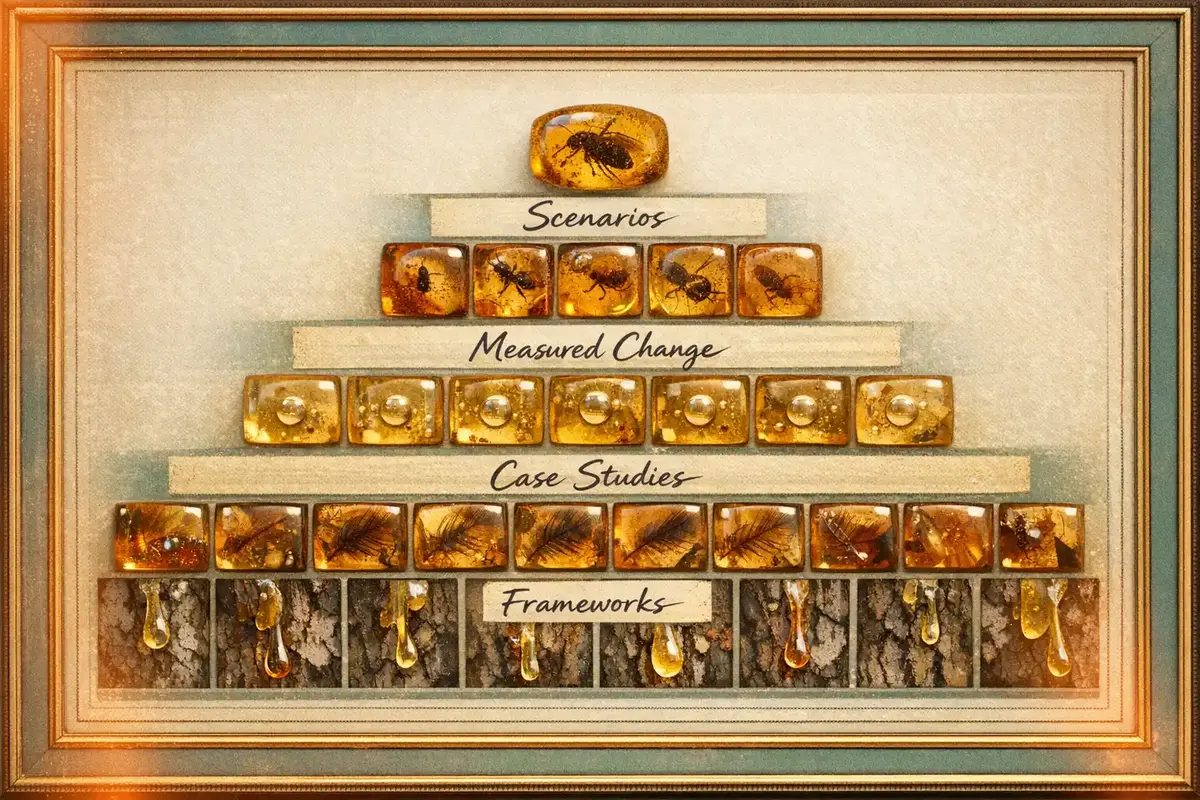
What Frameworks and Standards Guide Integral AI Coaching?
Integral AI coaching isn’t built on intuition alone. It’s grounded in internationally recognized standards and frameworks that ensure ethical, client-centered, and effective practice.
-
ICF AI Coaching Framework:
The International Coaching Federation (ICF) sets out core competencies for AI coaching platforms, including establishing agreements, cultivating trust, and communicating effectively (ICF, 2025). -
Integral Model (AQAL):
This comprehensive framework addresses not just what people do, but how they think, what they value, and the systems they operate in. It’s the backbone of the AI Coach System’s approach, ensuring that coaching interventions are holistic and sustainable. -
AI Coaching Methodology:
Advanced algorithms and behavioral science are used to deliver real-time, personalized leadership development at scale, adapting to each user’s context and learning style (Source: Luxatia International). -
Hybrid AI Coaching:
Best practices now blend AI and human coaching, using AI for scalable, ongoing support and humans for deep dives or complex challenges. This hybrid model consistently outperforms either approach alone (ThoughtLeadership.org).
If you’re curious about how these frameworks are operationalized, see our overview of integral AI coaching and AI coaching frameworks.
What Are the Most Common Misconceptions About AI Coaching’s Impact?
Most teams assume that AI coaching is only effective for basic skills or routine tasks. But published research and real-world data show otherwise:
-
Myth: AI coaching can’t handle complex, nuanced challenges.
Reality: AI, when grounded in integral frameworks and trained on real coaching data, can support users through high-stakes leadership, change management, and even ethical dilemmas. -
Myth: AI coaching is impersonal and generic.
Reality: Modern platforms personalize interventions based on user data, context, and feedback, making each session relevant and actionable. -
Myth: AI will replace human coaches.
Reality: The most effective models are hybrid, where AI provides scalable support and humans step in for depth and nuance. This combination drives the greatest behavioral change (ThoughtLeadership.org). -
Myth: Behavioral change is too subjective to measure.
Reality: Platforms now track progress using behavioral analytics, goal attainment, and business KPIs, making outcomes visible and actionable ([Retorio AI], Insurance Sales Agent Training).
“In both studies, human coaches and the AI coach were significantly more effective in helping clients reach their goals compared to the two control groups.” (PubMed Central, 2022)
How Do Hybrid Models of AI and Human Coaching Outperform Traditional Methods?
Here’s a common assumption: organizations must choose between AI and human coaches. But the data—and real-world experience—tell a different story.
Hybrid AI coaching models combine the best of both worlds. AI delivers just-in-time, personalized support, available 24/7 and at scale. Human coaches step in for deeper, more nuanced conversations, complex problem-solving, or when emotional intelligence is paramount.
This approach creates a continuous development loop:
- AI handles routine, ongoing, and scalable coaching needs
- Humans focus on depth, transformation, and context-sensitive issues
The result? Organizations see faster, more consistent behavioral change, higher engagement, and better ROI on their coaching investments (ThoughtLeadership.org).
If you’re working in a hybrid or remote team environment, you’ll find more on this in our guide to hybrid AI coaching.
How Can Organizations Track and Scale Behavioral Change Across Teams?
Tracking and scaling behavioral change isn’t just about dashboards—it’s about creating a culture where learning becomes action, and action becomes habit.
Best practices include:
-
Integrating AI coaching with L&D systems:
This allows for seamless tracking of progress, alignment with competency models, and ongoing measurement of impact. For more on this, see our resource on behavioral change measurement. -
Using scenario libraries and playbooks:
Teams can access a library of real and hypothetical scenarios, each mapped to specific competencies and business outcomes. This makes learning relevant and immediately applicable. -
Regular progress reviews:
Scheduled check-ins—whether AI-driven or human-facilitated—help sustain momentum and reinforce new behaviors. -
Celebrating wins and learning from setbacks:
Recognizing progress, even incremental, builds motivation and embeds change. -
Customizing coaching methodology:
Adaptive AI coaching methodologies allow organizations to tailor interventions to department needs, ensuring relevance and impact. Explore more on AI coaching methodology.
Drawing on TII’s two-decade integral methodology, these practices ensure that behavioral change isn’t just a momentary spike, but a sustained, organization-wide shift.
What Does the Future Hold for Integral AI Coaching and Behavioral Change?
As AI coaching platforms become more sophisticated, the potential for measurable, scalable behavioral change will only grow. We’re already seeing:
-
Expansion into new domains:
From HR and finance to innovation and operations, AI coaches are being specialized for every facet of organizational life. -
Deeper personalization:
AI will increasingly adapt not just to roles, but to individual learning styles, values, and cultural contexts. -
Greater integration:
Seamless connections with performance management, learning, and analytics systems will make tracking and sustaining change even easier. -
Enhanced ethical standards:
As adoption grows, platforms will continue to prioritize psychological safety, transparency, and user control, guided by frameworks like those set by the ICF.
The implication for leaders and organizations? The question is no longer whether AI coaching can drive real change, but how quickly and effectively you can harness it to build better leaders, better teams, and better organizations.
FAQ: From Theory to Action—Integral AI Coaching in Practice
How is integral AI coaching different from traditional coaching?
Integral AI coaching combines proven coaching frameworks with AI algorithms to deliver personalized, scenario-based guidance at scale. Unlike traditional coaching, it can provide real-time feedback, adapt to user context, and track measurable progress across multiple dimensions—mindset, skills, culture, and systems.
Can AI coaching really address complex leadership challenges?
Yes. Research and real-world applications show that AI coaching grounded in integral frameworks can support users through nuanced, high-stakes challenges such as decision-making, change management, and team dynamics. The key is using scenario-based, context-aware interventions rather than generic advice.
How do organizations measure the impact of AI coaching?
Impact is measured through a combination of behavioral analytics, goal attainment tracking, engagement scores, and business KPIs. AI coaching platforms provide dashboards and reports that make progress visible, allowing organizations to tie coaching investments directly to outcomes like productivity, retention, and performance.
What is the role of human coaches in a hybrid AI coaching model?
In a hybrid model, AI handles scalable, ongoing support while human coaches focus on deep, transformative conversations. This approach leverages the strengths of both, providing continuous development and addressing complex challenges that require emotional intelligence and nuanced judgment.
How does the AI Coach System ensure ethical and client-centered coaching?
The platform follows standards set by organizations like the International Coaching Federation, emphasizing trust, safety, and effective communication. Users control their data and experience, and interventions are designed to be supportive, transparent, and aligned with individual and organizational goals.
What kinds of behavioral change can be tracked with AI coaching?
AI coaching can track changes in communication style, feedback frequency, decision-making speed, sales effectiveness, engagement, and more. Progress is measured both quantitatively (e.g., performance metrics) and qualitatively (e.g., peer feedback), ensuring a holistic view of development.
How can organizations sustain behavioral change after initial coaching interventions?
Sustaining change requires ongoing support, regular progress reviews, scenario-based practice, and integration with broader L&D and performance systems. Celebrating wins and learning from setbacks also play a crucial role in embedding new behaviors as lasting habits.
By focusing on real-world scenarios, transparent measurement, and the operationalization of integral theory, integral AI coaching transforms learning from a theoretical exercise into a catalyst for measurable, organization-wide behavioral change.