
If you’ve ever tried to scale coaching across a global team, you’ve probably noticed a recurring tension: the more you automate, the more you risk losing the nuance that makes coaching truly transformative. Maybe your compliance team is satisfied that your AI coaching tool checks the boxes on privacy and fairness, but your HR business partners still worry—does this system really “get” the diverse perspectives, values, and developmental needs of your people? If so, you’re not alone. Many organizations are waking up to the reality that ethical AI coaching requires more than technical safeguards or surface-level inclusion statements. It calls for a deeper, multi-perspectival framework—one that can guide both ethical guardrails and adaptive intelligence in complex, ever-changing contexts. The ICF/PwC Global Coaching Study confirms that executive coaching delivers an average ROI of 529%, with organizations reporting measurable improvements in leadership effectiveness and business outcomes.
Integral Metatheory provides a comprehensive, multi-perspectival lens for developing ethical guidelines and enhancing the adaptability of AI coaching systems. By integrating subjective, objective, cultural, and systemic perspectives, it ensures AI coaching platforms address ethical complexities and cultural diversity while remaining aligned with core human values. Readers will understand how this approach enables AI to navigate nuanced coaching scenarios and supports ongoing adaptation in rapidly evolving environments. McKinsey research indicates that companies using AI in talent development see a 25% improvement in employee performance, particularly when AI augments human coaching capabilities.
Why AI Coaching Needs More Than Compliance
Most teams assume that if an AI coaching system is “ethically compliant”—meaning it follows privacy laws, avoids bias, and is transparent about its processes—it’s good enough. But research and practice show that compliance frameworks, while necessary, are rarely sufficient for the messy, human realities of coaching at scale. Here’s the thing: ethical checklists can’t anticipate every scenario, especially when coaching conversations touch on identity, meaning, or deep-seated organizational culture.
The International Coaching Federation (ICF), for example, has set out a robust AI Coaching Standards framework organized into six domains: Foundation (ethics/mindset), Co-Creating the Relationship (trust/safety), Communicating Effectively, Cultivating Learning and Growth, Assurance and Testing, and Technical Factors (security/privacy) (ICF, 2024). While these domains provide a strong foundation, they don’t fully address the deeper developmental, cultural, and systemic questions that arise when AI is tasked with supporting real human growth.
What’s missing? A way to see and work with the full complexity of human experience—subjective beliefs, interpersonal dynamics, cultural narratives, and organizational systems—all at once. That’s where Integral Metatheory comes in.
What Is Integral Metatheory and Why Does It Matter for AI Coaching?
Integral Metatheory, most widely known through the AQAL model (All Quadrants, All Levels), is a framework that organizes reality through five core elements: quadrants, levels, lines, states, and types. At its heart, AQAL insists that any robust understanding—or intervention—must consider at least four irreducible perspectives:
- Subjective (Individual-Interior): What’s happening in a person’s inner world? (thoughts, emotions, intentions)
- Objective (Individual-Exterior): What’s observable in their behavior or physiology?
- Intersubjective (Collective-Interior): What shared meanings, values, or cultures shape the context?
- Interobjective (Collective-Exterior): What systems, structures, or processes are at play?
“The AQAL model of Integral Metatheory organizes reality through five core elements: quadrants, levels, lines, states, and types, integrating subjective, objective, intersubjective, and interobjective perspectives.” (Integral Life, 2022)
Why does this matter for AI coaching? Because coaching is never just about “what works” on the surface. It’s about aligning growth with the unique mindset, cultural context, and systemic realities of each client or team. An AI coach that only sees one quadrant—say, behavioral data—will inevitably miss the mark in situations that require empathy, cultural fluency, or systems thinking.
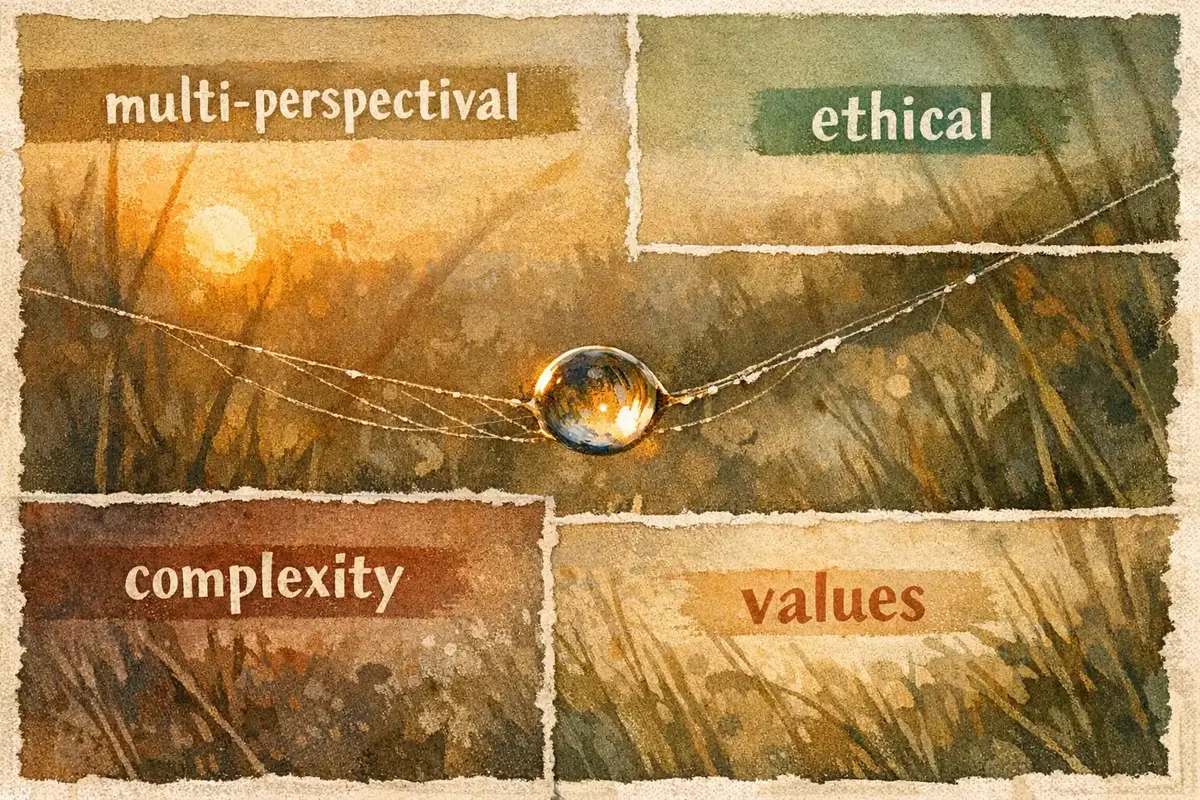
How Does Integral Metatheory Guide Ethical AI Coaching Frameworks?
Let’s break down how the AQAL model can be mapped directly onto the design and evaluation of ethical AI coaching systems:
1. Subjective Quadrant: Personalization and Inner Experience
Most AI coaching systems focus on observable behaviors or outcomes. But what about the user’s inner world? Integral Metatheory prompts us to ask: How does the AI recognize and honor the coachee’s intentions, values, and emotional states? For example, a system might use sentiment analysis to detect frustration or motivation, but an integral approach would go further—adapting its style, pacing, and even ethical boundaries to the user’s current mindset.
2. Objective Quadrant: Data, Algorithms, and Measurable Outcomes
Here, the focus is on what can be tracked—engagement metrics, behavioral change, goal attainment. Integral Metatheory ensures that these metrics are not treated in isolation but are always interpreted in light of the other quadrants. For instance, a spike in usage data might look like success, but if it’s driven by anxiety or cultural pressure, the ethical implications shift.
3. Intersubjective Quadrant: Culture, Trust, and Shared Meaning
Ethical AI coaching can’t ignore the cultural and relational context. Integral Metatheory asks: Does the AI understand and respect the group’s shared values? Can it navigate conversations about diversity, inclusion, or psychological safety in a way that builds trust rather than undermines it? This is especially relevant for organizations operating across borders or with diverse teams. For a deeper dive into how AI coaching fosters a culture of learning and respects cultural diversity, see AI coaching cultural diversity.
4. Interobjective Quadrant: Systems, Policies, and Infrastructure
Finally, integral thinking highlights the importance of systemic factors—data governance, security protocols, escalation pathways, and integration with other organizational systems. It’s not enough for an AI coach to be “ethical” in isolation; it must fit into a broader ecosystem of accountability and continuous improvement. For practical guidance on integrating ethical AI coaching frameworks into existing systems, see coaching system design.
Moving Beyond Checkbox Ethics: The Integral Case for Proactive, Adaptive AI
Most organizations default to a “checkbox” approach: as long as the AI doesn’t break any rules, it’s considered ethical. But Integral Metatheory challenges this assumption by revealing hidden risks—like reductionism (focusing only on data), cultural blind spots, or developmental mismatches between the AI’s logic and the user’s needs.
But research consistently demonstrates that AI coaching platforms that integrate developmental stage awareness report 29–36% higher leadership improvements compared to static programs (The Integral Institute, 2023). This means that adaptability isn’t just a “nice to have”—it’s a measurable driver of coaching effectiveness and ethical alignment.
So, what does proactive, integral-aligned AI look like in practice? It means building systems that:
- Continuously assess and adapt to the user’s developmental stage and cultural context
- Provide transparent explanations for AI decisions, inviting feedback and co-creation
- Surface ethical dilemmas for human review, rather than making unilateral decisions
- Use ongoing feedback loops (cybernetic principles) to learn and improve over time
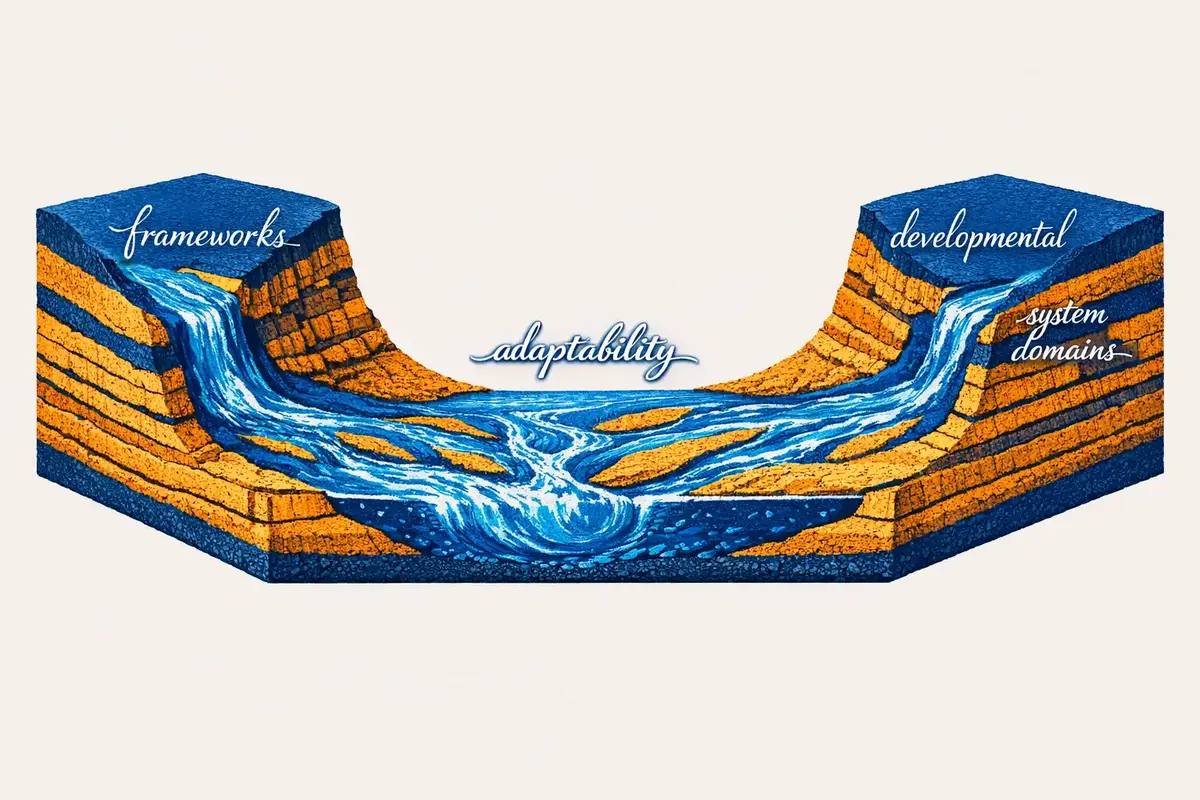
How Can Integral Metatheory Be Operationalized in AI Coaching Algorithms?
Translating Integral Metatheory into AI system design isn’t just a philosophical exercise—it has direct, practical implications for how coaching algorithms are built and evaluated. Here’s how organizations are starting to bridge that gap:
Quadrant-by-Quadrant AI System Audit
Imagine running a quarterly audit of your AI coaching platform using the four quadrants:
- Subjective: Does the system allow users to express and reflect on their inner experience? Are there mechanisms for capturing intent, emotion, and meaning?
- Objective: Are behavioral outcomes tracked in a way that’s transparent and actionable? Is the data interpreted in context, not just in the aggregate?
- Intersubjective: How does the AI handle language, values, and cultural references? Are there protocols for escalating sensitive or ambiguous situations to a human coach?
- Interobjective: Are technical safeguards, privacy policies, and integration points regularly reviewed and updated?
This approach ensures that no domain is neglected—a common pitfall in both AI and coaching system design. For a more detailed exploration of how Integral Metatheory is translated into AI algorithms, see Integral Metatheory in AI coaching algorithms.
Developmental Stage-Responsive AI
Most AI coaching platforms are built for the “average user.” But Integral Metatheory recognizes that people (and teams) develop through distinct stages, each with its own worldview, needs, and blind spots. Adaptive AI can tailor its prompts, challenges, and feedback to match the user’s current developmental level—nudging them toward growth without overwhelming or patronizing them.
“AI coaching platforms that integrate developmental stage awareness report 29–36% higher leadership improvements compared to static programs.” (The Integral Institute, 2023)
For practical examples of how AI coaching adapts to different developmental stages and supports talent development, see developmental stages AI coaching.
What Are the Limits of Current Ethical Frameworks for AI Coaching?
Most ethical frameworks for AI coaching are rooted in compliance—privacy, fairness, transparency. These are essential, but they have clear limits:
- Reductionism: Focusing only on data or outcomes, ignoring subjective or cultural dimensions
- Static Standards: Assuming ethical guidelines are “one size fits all” rather than evolving with context
- Cultural Blind Spots: Applying universal rules without accounting for local values or organizational culture
- Developmental Mismatch: Failing to adapt to users’ readiness for change, which can lead to disengagement or even harm
Integral Metatheory exposes these limits by insisting on a more dynamic, multi-layered approach. It frames ethical AI as an ongoing process of alignment—across perspectives, levels, and contexts—not a one-time certification.

How Does Integral Metatheory Enhance AI Coaching Adaptability in Complex, Diverse Contexts?
Let’s surface another common assumption: many organizations believe that AI coaching adaptability is just about tweaking content or adding new languages. But Integral Metatheory shows that true adaptability means much more—it’s about dynamically sensing and responding to the full spectrum of human and organizational complexity.
For example, an AI coach operating in a multinational company needs to recognize not only linguistic differences but also the deeper cultural logics that shape how feedback, authority, or learning are experienced. It must also adapt its approach as teams evolve—what worked for a startup may not work for a mature enterprise.
Integral-informed AI systems are designed to:
- Detect and honor cultural nuances in communication and decision-making
- Adjust coaching flows based on team maturity, organizational lifecycle, and shifting priorities
- Facilitate ongoing dialogue between users, coaches, and system designers to co-create solutions
For more on how AI coaching can be customized to meet specific departmental or organizational needs, see AI coaching adaptability.
What Practical Steps Can Organizations Take to Implement Integral-Aligned AI Coaching?
Bringing Integral Metatheory into AI coaching isn’t just for theorists—it’s a practical discipline that any organization can start applying today. Here’s a stepwise roadmap:
- Quadrant Audit: Map your current AI coaching system across all four quadrants. Where are you strong? Where are you blind?
- Developmental Assessment: Evaluate whether your AI adapts to different user stages. Pilot adaptive prompts or feedback loops.
- Cultural Calibration: Involve diverse stakeholders in system design and review. Regularly test for cultural fit and unintended bias.
- Ethical Alignment: Go beyond compliance by establishing ongoing reflection and feedback mechanisms—invite users to flag ethical dilemmas or misalignments.
- Continuous Learning: Treat ethical and adaptive alignment as a journey, not a destination. Build in regular reviews, updates, and co-creation sessions.
Drawing on TII’s two-decade integral methodology, these steps help organizations move from checkbox compliance to dynamic, value-driven AI coaching.
FAQ: The Role of Integral Metatheory in Guiding AI Coaching’s Ethical Frameworks and Adaptability
What is Integral Metatheory in simple terms?
Integral Metatheory is a comprehensive framework that organizes reality into multiple perspectives—subjective, objective, cultural, and systemic. It helps us see the full complexity of any situation by considering inner experience, observable behavior, shared values, and external systems. In AI coaching, this means designing systems that address all aspects of human growth and organizational context.
How does Integral Metatheory improve AI coaching ethics?
By requiring attention to all four quadrants (subjective, objective, intersubjective, interobjective), Integral Metatheory ensures that ethical guidelines don’t just focus on data privacy or fairness but also on cultural sensitivity, personal meaning, and systemic impact. This leads to more holistic and adaptive ethical frameworks for AI coaching.
What are developmental stages, and why do they matter in AI coaching?
Developmental stages refer to the idea that individuals and teams grow through predictable phases, each with distinct needs and worldviews. AI coaching that adapts to these stages is more effective, as it can tailor its guidance to the user’s readiness for change. Research shows this leads to significantly higher leadership improvements compared to static programs.
Can Integral Metatheory help prevent bias in AI coaching?
Yes. By prompting designers to examine cultural, subjective, and systemic dimensions—not just data or algorithms—Integral Metatheory helps identify and mitigate hidden biases. It encourages ongoing stakeholder input and regular audits across all quadrants, reducing the risk of blind spots.
How can organizations start applying Integral Metatheory to their AI coaching systems?
Begin with a quadrant audit to identify strengths and gaps in your current system. Involve diverse stakeholders, pilot adaptive features, and establish regular feedback loops. Treat ethical and adaptive alignment as an ongoing process, not a one-time fix.
What’s the difference between compliance-based and Integral-aligned AI coaching ethics?
Compliance-based ethics focus on meeting minimum standards (like privacy or fairness laws). Integral-aligned ethics go further, aiming for dynamic alignment with human development, culture, and organizational values—adapting as needs and contexts evolve.
Where can I find more practical resources on Integral Metatheory and AI coaching?
Explore resources on Integral Metatheory in AI coaching algorithms and developmental stages AI coaching for in-depth practical guidance and real-world examples.
Continue Your Leadership Journey
AI coaching is evolving rapidly, but the most successful organizations are those that move beyond compliance and embrace a truly integral approach—one that honors the full complexity of human and organizational development. By applying Integral Metatheory, you’ll not only future-proof your ethical frameworks but also unlock new levels of adaptability, cultural fluency, and measurable impact in your coaching programs. As the field advances, those who integrate these perspectives will be best positioned to lead with both rigor and humanity.