
If you’ve ever sat in a talent review meeting, scanning the org chart and wondering who could really step into your most critical roles tomorrow, you’ve probably noticed how quickly the conversation turns from “who’s next?” to “what’s missing?” AI-driven skill gap analysis is a transformative approach that uses artificial intelligence to pinpoint the exact skills and competencies required for future leadership positions, then delivers highly targeted, personalized development plans to close those gaps. For HR leaders, L&D professionals, and executives, understanding this process means moving beyond guesswork and gut feel—toward a data-driven, scalable, and future-proof succession strategy.
Why AI-Driven Skill Gap Analysis Is Now Mission-Critical for Succession Planning
Most organizations assume that their succession pipelines are robust, relying on annual talent reviews and subjective manager nominations. But here’s the thing: research shows that 38% of executives believe their workforce will need “fundamental retraining or replacement” within just three years to address skills gaps (MIT Sloan, 2024). That’s not a minor gap—it’s a strategic risk.
Succession planning isn’t just about who’s next in line; it’s about ensuring business continuity, protecting intellectual capital, and managing risk. When critical roles go unfilled or are filled by underprepared leaders, the cost isn’t just lost productivity—it’s lost momentum, missed opportunities, and sometimes, existential threats to the business.
So why are so many organizations struggling to close these gaps? Traditional methods—manual assessments, static competency frameworks, and one-size-fits-all development plans—can’t keep up with the pace of change or the complexity of modern roles. AI-driven skill gap analysis offers a fundamentally different approach, combining real-time data, predictive analytics, and personalized learning to build a dynamic, future-ready leadership bench.
What Is AI-Driven Skill Gap Analysis? (And How Is It Different?)
At its core, AI-driven skill gap analysis is the process of using artificial intelligence to map the capabilities of your current workforce against the precise requirements of future-critical roles. Unlike traditional gap analysis, which often relies on surveys, self-assessments, or manager opinions, AI leverages data from multiple sources—performance reviews, project histories, learning platforms, even communication patterns—to create a holistic, objective view of both current and needed skills.
Let’s break down the main differences:
- Traditional Gap Analysis: Manual, periodic, subjective, often based on outdated job descriptions or generic competency models.
- AI-Driven Gap Analysis: Automated, continuous, data-rich, and tailored to the evolving needs of specific roles and business strategies.
One surprising insight is that AI doesn’t just surface obvious technical gaps—it can reveal hidden strengths and overlooked potential by analyzing patterns across teams, departments, and even external labor market data. This means organizations can identify not only who’s ready, but who could be ready with targeted development.
The Stepwise Workflow: From Taxonomy to Targeted Action
So, how does AI-driven skill gap analysis actually work in practice? Let’s walk through the workflow, drawing on proven models from industry leaders and research-backed frameworks.
1. Define a Dynamic Skill Taxonomy
Most teams assume that a static competency framework is enough. But research shows that leading organizations like Johnson & Johnson are building dynamic, AI-powered taxonomies that evolve with business needs (MIT Sloan, 2024). This means mapping not just technical expertise, but also leadership behaviors, digital fluencies, and emerging capabilities required for future roles.
A robust taxonomy includes:
- Core leadership competencies (e.g., strategic thinking, executive presence)
- Functional and technical skills (e.g., data literacy, financial acumen)
- Adaptive skills (e.g., resilience, change management)
- Role-specific requirements (e.g., regulatory knowledge, global mindset)
2. Gather and Aggregate Evidence
AI systems pull data from across the employee lifecycle: learning management systems, performance reviews, 360 feedback, project outcomes, and even informal collaboration tools. The goal? To create a multi-dimensional profile of each candidate’s skills, strengths, and development needs.
What’s different here is the scale and objectivity. Instead of relying on a single manager’s perspective, AI synthesizes thousands of data points to reduce bias and surface patterns that humans might miss.
3. Assess and Analyze Gaps
With the taxonomy and evidence in place, AI algorithms compare the current state to the future state required for each critical role. This isn’t just a checklist—it’s a nuanced analysis that can weight skills by importance, urgency, and even forecast how those needs might change based on business strategy.
“In 2024, AI spending will grow to over USD 550 billion, and there will be an expected AI talent gap of 50%.” (IBM, 2024)
This kind of analysis allows organizations to prioritize development investments where they’ll have the greatest impact.
4. Deliver Personalized Development Plans
The real power of AI comes in the next step: generating personalized development plans for each succession candidate. Instead of generic training modules, AI can recommend targeted learning paths, stretch assignments, coaching interventions, and peer mentoring—matched to the individual’s unique gaps and aspirations. For a deeper dive into how AI coaching tailors learning to each leader’s needs, see personalized development plans.
Beyond the Ladder: The Career Lattice and Flexible Succession Pathways
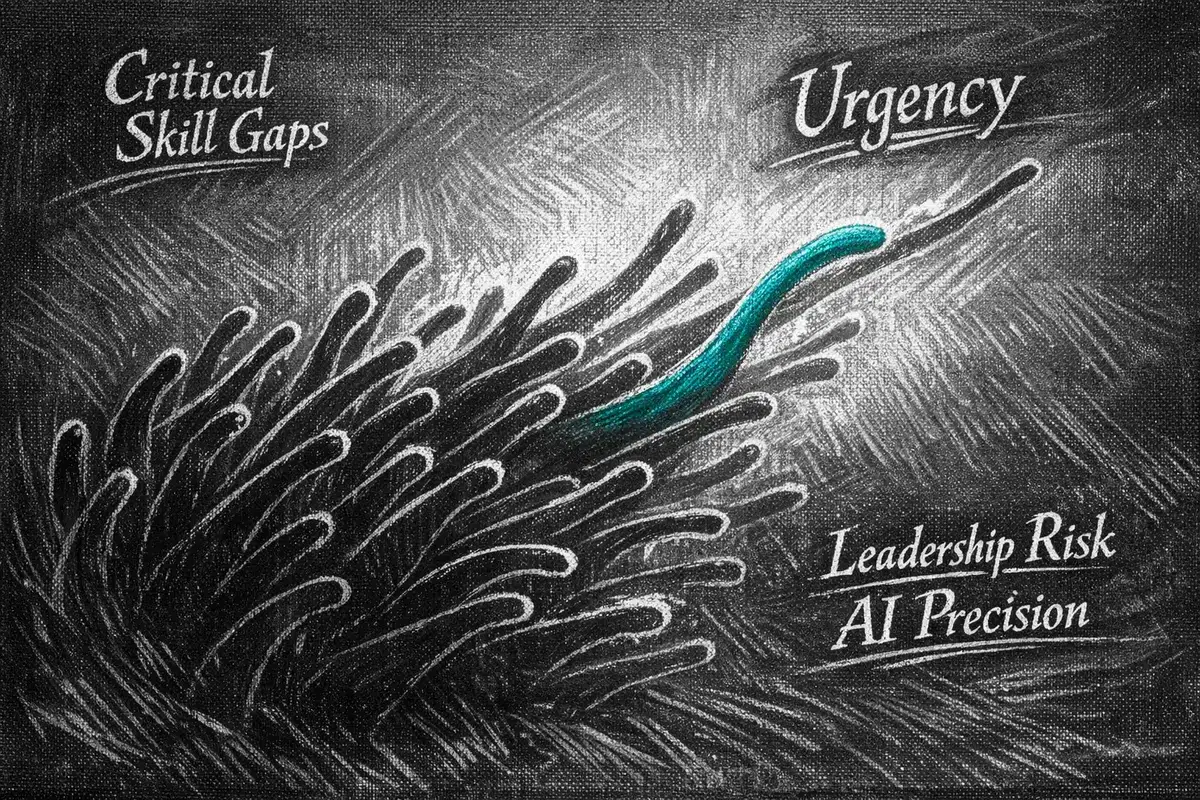
Most organizations think of succession as a ladder—one person moves up when another moves on. But in today’s rapidly changing environment, roles are evolving, and so are the skills required to fill them. AI-driven analysis enables what’s often called a “career lattice” approach: supporting not just upward movement, but lateral shifts, cross-functional assignments, and even the creation of entirely new roles.
This flexibility is especially important for critical succession roles, where the next leader may not come from the expected place. AI can identify candidates with adjacent skills or untapped potential, opening up a broader, more diverse pool of future leaders.
Here’s a practical example: Johnson & Johnson’s use of AI-driven skills inference led to a 20% increase in professional development platform usage, with 90% of technologists accessing targeted learning resources as of March 2024 (MIT Sloan, 2024). That’s not just engagement—that’s a shift in how organizations think about career growth and readiness.
How Does AI Aggregate and Analyze Skills Data?
The technical magic behind AI-driven skill gap analysis lies in its ability to gather, normalize, and interpret vast amounts of data—far beyond what any HR team could process manually. Here’s how it works:
- Data Ingestion: AI pulls structured and unstructured data from HRIS, LMS, performance management, and even email or chat platforms (with appropriate privacy safeguards).
- Natural Language Processing: Algorithms scan job descriptions, resumes, feedback comments, and learning histories to extract relevant skills and behaviors.
- Pattern Recognition: Machine learning models identify correlations between skill sets, performance outcomes, and career trajectories—helping to predict which skills are most critical for future roles.
- Real-Time Updating: As employees complete new projects or training, their profiles update automatically, ensuring the analysis stays current.
One common assumption is that AI can “see” everything and make perfect predictions. In reality, the best results come when AI insights are combined with structured human judgment—especially for soft skills, cultural fit, and leadership potential.
The Human-AI Partnership: Why Judgment Still Matters
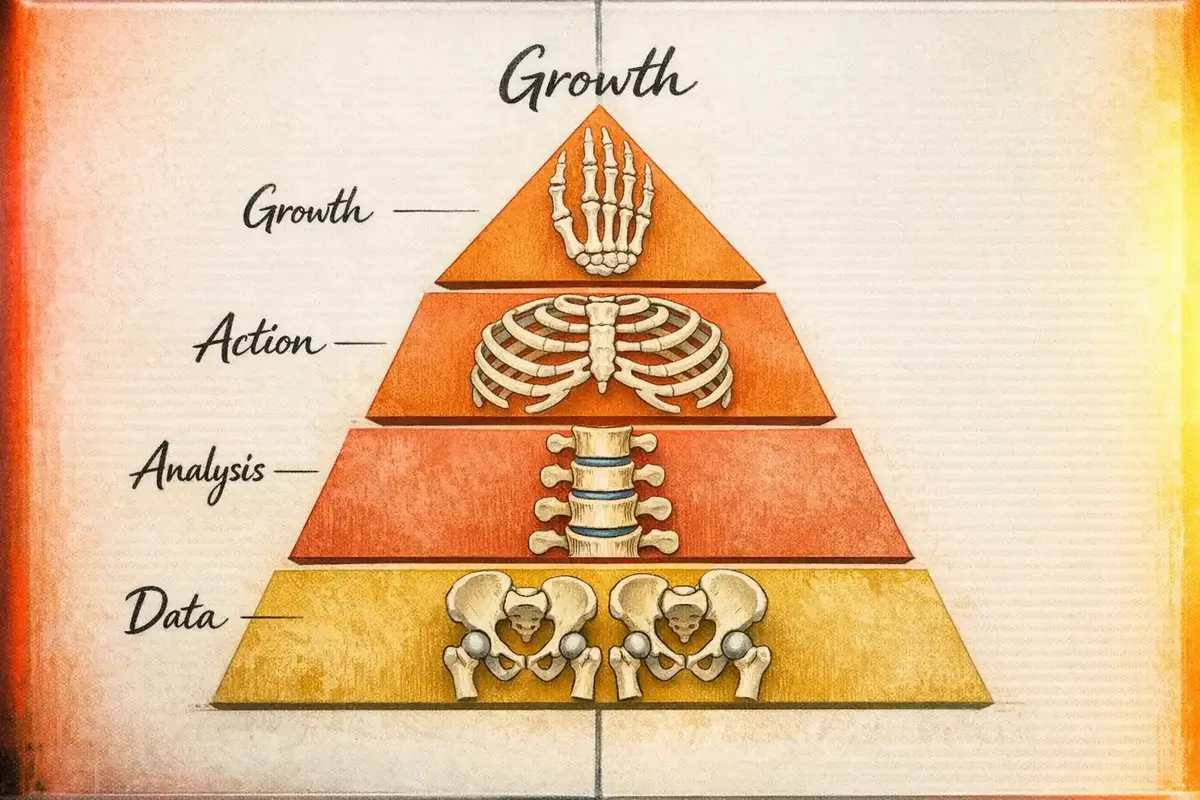
There’s a persistent myth that AI can “pick” the next CEO or division head. In reality, the most effective organizations use AI as a decision-support tool, not a decision-maker. Here’s why:
- Soft Skills and Culture Fit: AI can analyze communication patterns and feedback, but it can’t fully capture the nuances of empathy, influence, or alignment with organizational values.
- Contextual Factors: Business strategy, market conditions, and team dynamics all play a role in succession decisions—factors that require human interpretation.
- Bias Mitigation: While AI can reduce some forms of bias by relying on objective data, it can also amplify existing biases if not carefully designed and monitored.
The implication? Organizations need structured processes for integrating AI insights with human judgment—calibrated talent reviews, panel interviews, and ongoing dialogue between HR, business leaders, and candidates.
Measuring Impact: ROI, Engagement, and Business Continuity
How do we know if AI-driven skill gap analysis and development plans actually work? Let’s look at the evidence.
“IBM’s use of AI for succession planning resulted in a 15% improvement in employee engagement and retention among succession candidates.” (MIT Sloan, 2024)
That’s not just a feel-good metric—it’s a direct link between targeted development and business outcomes. Similarly, Johnson & Johnson saw a 20% increase in platform usage and 90% engagement among technologists after implementing AI-driven skills inference.
But perhaps the most compelling case is risk management. When 38% of executives believe their workforce needs fundamental retraining or replacement in the next three years, the cost of inaction is clear: lost productivity, stalled initiatives, and increased turnover (MIT Sloan, 2024).
For organizations looking to quantify the business value of these investments, frameworks for AI-driven skill gap analysis can help connect talent readiness to measurable ROI, including reduced vacancy time, improved retention, and accelerated leadership transitions.

Employee Engagement and Buy-In: The Human Side of AI-Driven Development
Even the most sophisticated AI system can’t drive change if employees aren’t engaged. In fact, 55% of employees say they need more training to do their job better, and 76% would be more likely to stay with a company that offered continuous learning (SHRM, 2024). That’s a powerful incentive for organizations to invest in transparent, accessible, and personalized development pathways.
But there’s a catch: employees need to trust the process. This means:
- Clear communication about how data is used and protected
- Opportunities for self-assessment and input
- Visible links between skill-building and career advancement
For strategies on building ongoing feedback loops and fostering employee engagement, AI-powered coaching platforms can provide real-time, actionable insights that keep employees motivated and invested in their own growth.
Bias, Ethics, and Privacy: Navigating the Pitfalls of AI in Succession Planning
Most teams assume that AI is inherently objective. But research—and real-world experience—shows that algorithms can inherit and even amplify the biases present in historical data. This raises critical questions about fairness, transparency, and accountability in succession decisions.
What can organizations do differently?
- Regularly audit AI models for disparate impact across gender, ethnicity, and other protected classes
- Involve diverse stakeholders in the design and review of AI-driven processes
- Ensure that employees understand their rights and how their data is used
For a deeper exploration of building a strong learning culture that addresses bias and ethics AI, organizations can draw on frameworks that prioritize both innovation and inclusion.
Integrating AI-Driven Insights Into Succession Planning: Practical Steps
Ready to move from theory to action? Here’s a stepwise approach for integrating AI-driven skill gap analysis into your succession planning process:
- Map Critical Roles: Identify the positions that are essential for business continuity and future growth.
- Build a Dynamic Skill Taxonomy: Define the competencies, behaviors, and experiences required for each role—update regularly as needs evolve.
- Aggregate Multi-Source Data: Use AI to pull evidence from across the employee lifecycle, ensuring a holistic view.
- Analyze Gaps Objectively: Let AI surface both strengths and development needs, but review findings with human judgment.
- Deliver Personalized Development Plans: Use AI coaching to recommend targeted learning, assignments, and mentoring for each candidate.
- Monitor Progress and Adjust: Set measurable milestones, gather feedback, and iterate as roles and business strategies change.
- Foster Engagement and Trust: Communicate openly, protect privacy, and empower employees to own their development journey.
For organizations seeking to accelerate succession planning, these steps provide a roadmap for building a future-ready leadership pipeline.
Advanced Topics: Predictive Analytics, ROI, and the Future of Succession
Looking ahead, the most forward-thinking organizations are leveraging predictive analytics succession frameworks to forecast not just who is ready now, but who could be ready in the future—with the right development. By modeling career trajectories, learning velocity, and even external talent trends, AI can help organizations proactively address gaps before they become crises.
Measuring ROI is also evolving. It’s no longer enough to track training completion rates; organizations are linking skill-building to business outcomes like revenue growth, innovation, and market share. For practical tools and metrics, see predictive analytics succession.
And as AI continues to advance, the partnership between technology and human judgment will only grow more important. The organizations that win will be those that combine the best of both: data-driven insight, ethical rigor, and a relentless focus on developing leaders who can thrive in complexity.
FAQ: AI-Driven Skill Gap Analysis and Development for Succession Roles
What is AI-driven skill gap analysis?
AI-driven skill gap analysis uses artificial intelligence to compare employees’ current skills with those needed for future-critical roles. It aggregates data from multiple sources—like performance reviews and learning platforms—to objectively identify strengths and development needs, enabling precise, targeted upskilling for succession candidates.
How does AI improve succession planning over traditional methods?
AI brings objectivity, scale, and real-time insights to succession planning. Unlike manual reviews, AI analyzes vast datasets to uncover hidden talent, predict future skill needs, and personalize development plans. This reduces bias, accelerates readiness, and ensures your leadership pipeline aligns with evolving business strategies.
Can AI-driven development plans be truly personalized?
Yes. AI coaching platforms can generate personalized development plans by analyzing each employee’s unique skill profile, learning preferences, and career aspirations. These plans recommend targeted learning resources, stretch assignments, and coaching interventions tailored to close specific gaps for succession readiness.
How do organizations ensure fairness and minimize bias in AI-driven analysis?
Organizations minimize bias by regularly auditing AI models, involving diverse stakeholders in design and review, and combining AI insights with structured human judgment. Transparency about data usage and clear communication with employees are also essential to building trust and ensuring fairness.
What measurable business outcomes are linked to AI-driven succession planning?
Research shows that AI-driven succession planning can improve employee engagement and retention among succession candidates by up to 15%, and drive higher usage of development platforms—demonstrating clear ROI through faster readiness and reduced turnover (MIT Sloan, 2024).
How do employees respond to AI-driven development initiatives?
Most employees welcome targeted development—55% say they need more training, and 76% are more likely to stay with companies offering continuous learning (SHRM, 2024). However, engagement depends on transparency, data privacy, and visible links between learning and career growth.
What are the limitations of AI in skill gap analysis for succession?
AI can’t fully capture soft skills, cultural fit, or contextual nuances. Its recommendations are only as good as the data and frameworks used. That’s why combining AI-driven insights with human judgment is essential for effective, fair, and future-ready succession planning.
Continue Your Leadership Journey
AI-driven skill gap analysis is reshaping how organizations identify, develop, and prepare future leaders for their most critical roles. By blending robust data, proven frameworks, and a partnership between technology and human judgment, companies can build a succession pipeline that’s resilient, inclusive, and ready for whatever comes next. As we move forward, the question isn’t whether to adopt AI in succession planning—but how to do it thoughtfully, ethically, and with a relentless focus on real business outcomes.