
A cohesive learning culture in hybrid and remote teams is built on psychological safety, trust, and equitable access to development—regardless of location or schedule. For organizations managing distributed workforces, 24/7 AI coaching offers a unique solution to bridge engagement, feedback, and growth gaps that traditional approaches struggle to address. By the end of this article, you’ll understand how to leverage AI-powered coaching to create a resilient, inclusive learning environment that supports every team member, everywhere.
If you’ve ever led a project where half your team is in the office, a third is dialing in from home, and the rest are scattered across time zones, you’ve probably noticed how quickly learning and connection can slip through the cracks. Maybe you’ve seen talented colleagues miss out on feedback because they weren’t “in the room,” or watched as remote employees quietly disengaged, feeling invisible despite regular video calls. For many of us, the challenge isn’t just keeping everyone informed—it’s making sure every person feels seen, supported, and able to grow, no matter where or when they work.
What is a Cohesive Learning Culture in Hybrid and Remote Teams?
At its core, a cohesive learning culture is a shared environment where continuous learning, feedback, and development are not just encouraged—they’re woven into the daily fabric of work. In hybrid and remote teams, this means more than offering online courses or scheduling the occasional virtual training. It’s about creating an atmosphere where:
- Everyone feels psychologically safe to ask questions, share ideas, and admit mistakes
- Knowledge flows freely across locations, roles, and schedules
- Growth opportunities are accessible to all, not just those who are most visible or vocal
Most teams assume that simply providing access to digital learning tools or holding regular meetings will foster this kind of culture. But research consistently shows that without intentional strategies—especially around feedback, trust, and inclusion—distributed teams often struggle to maintain engagement and development momentum.
Here’s the thing: The physical distance in hybrid and remote setups amplifies existing gaps. When nearly half of hybrid workers say their team hasn’t even discussed how to collaborate effectively in this environment, it’s no wonder that learning and connection can feel fragmented (Gallup, 2026).
Why Does Learning Culture Matter for Engagement and Retention?
Let’s get specific: Engagement and retention aren’t just buzzwords—they’re the lifeblood of high-performing teams. In hybrid and remote settings, the stakes are even higher.
“94% of employees would stay at a company longer if it invested in their career growth.” (Source: LinkedIn, LinkedIn Workplace Learning Report)
And it’s not just about keeping people in their seats. Employees who feel their development is prioritized are over three times more likely to be happy at work and nearly three times more likely to plan on staying (LinkedIn Learning).
But here’s a surprising insight: Hybrid and remote work actually boost engagement rates—34–35% engaged versus 28–30% for on-site teams—yet they don’t automatically improve overall wellbeing (Gallup, 2026). In other words, flexible work arrangements open the door for better engagement, but only if organizations actively support learning and connection.
So, what’s holding teams back from realizing these benefits?
What Are the Unique Challenges of Hybrid and Remote Learning Environments?
Hybrid and remote teams face a distinct set of hurdles when it comes to building a strong learning culture:
- Proximity bias: Those who are physically present often get more feedback, recognition, and opportunities.
- Feedback gaps: Only 20% of employees strongly agree they received meaningful feedback in the last week (Gallup, 2026).
- Trust deficit: Just 54% of managers supervising remote employees strongly trust their teams to be productive (Gallup, 2026).
- Inconsistent access: Learning and development resources may be available at headquarters but not to remote or global staff.
- Collaboration confusion: Nearly half (48%) of hybrid workers say their team lacks a formal or informal plan for hybrid collaboration (Gallup, 2026).
Most organizations try to patch these gaps with more meetings or digital content. But as many have discovered, these fixes rarely address the root causes—especially when time zones, cultural differences, and competing priorities come into play. The World Economic Forum estimates that 50% of all employees will need reskilling by 2025, with adaptive leadership and coaching competence emerging as critical capabilities.
How Does 24/7 AI Coaching Address These Gaps?
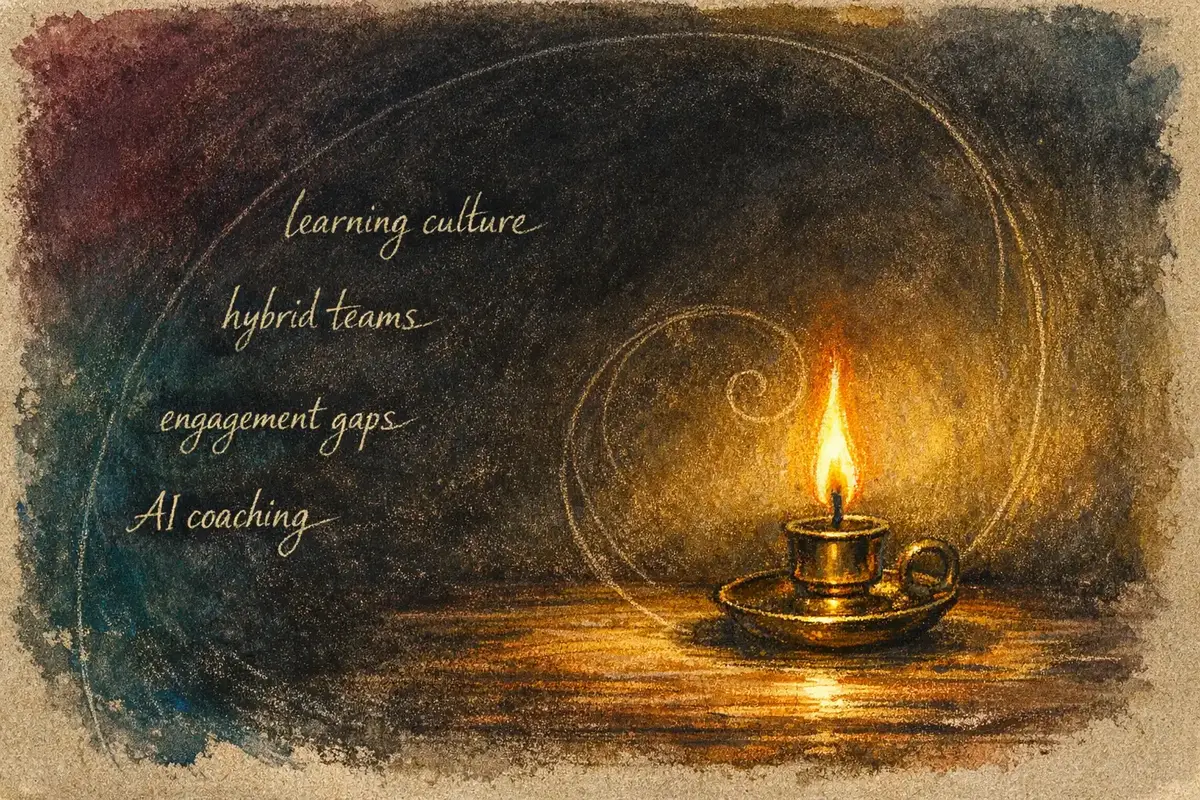
Here’s where AI coaching becomes a game-changer. Unlike traditional coaching, which is limited by geography, time zones, and coach availability, AI-powered coaching solutions are available anytime, anywhere. This means:
- Every team member, regardless of location or schedule, can access personalized coaching on demand
- Feedback and development conversations aren’t limited to quarterly reviews or scheduled sessions—they become part of the daily workflow
- AI coaches can surface insights, track progress, and prompt reflection in real time, creating a continuous loop of growth
Let’s challenge a common assumption: Many leaders believe that only in-person, human-led coaching can build trust and drive development. But drawing on TII’s two-decade integral methodology, AI coaching platforms are now capable of delivering nuanced, context-aware guidance that mirrors the best practices of experienced coaches—at scale.
This shift doesn’t replace human connection; it amplifies it. By making coaching accessible 24/7, organizations can ensure that no one falls through the cracks, whether they’re in the office, at home, or halfway around the world.
What Strategies Foster Continuous Learning and Knowledge Sharing?
Building a true learning culture in hybrid and remote teams requires more than access to content—it demands intentional design. Here are some proven strategies:
-
Formalize collaboration norms: Teams with a formal hybrid collaboration plan are 66% more likely to be engaged and 29% less likely to be burned out (Gallup, 2026). Create clear agreements about how, when, and where learning and feedback happen.
-
Embed continuous feedback: Instead of relying on annual reviews, encourage ongoing performance conversations. AI-powered continuous feedback tools can prompt managers and peers to share observations and suggestions in real time, regardless of location. Bersin by Deloitte found that organizations investing in coaching are 5.7x more likely to be high-performing, demonstrating the direct link between coaching culture and business outcomes.
-
Promote knowledge sharing: Use digital platforms and peer learning communities to break down silos. Recognize and reward those who contribute to the collective intelligence of the team.
-
Prioritize psychological safety: Remote and hybrid environments can make it harder to read social cues or build trust. AI coaching can support psychological safety by guiding leaders and teams through reflective exercises, scenario planning, and open dialogue.
-
Level the playing field: AI coaching acts as an equalizer, ensuring that development opportunities are not limited to the most visible or outspoken team members.
Have you ever wondered why some teams thrive in hybrid settings while others struggle? It often comes down to whether learning and feedback are built into daily routines—or left to chance.
How Can AI Coaching Be Integrated with Existing L&D Frameworks?
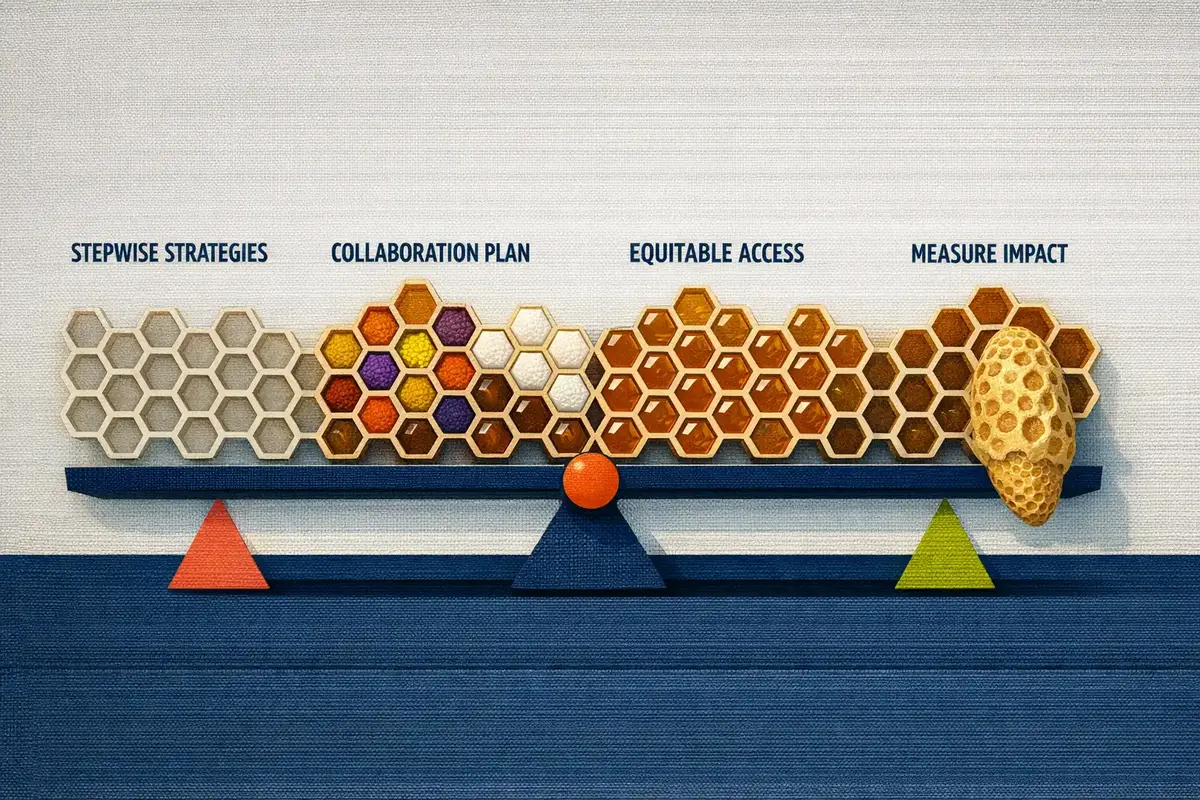
One of the biggest missed opportunities in hybrid and remote learning is failing to connect new tools with established processes. AI coaching integration is most effective when it complements—not replaces—existing learning management systems (LMS), mentoring programs, and leadership development frameworks.
Here’s how organizations can make the most of AI-powered coaching:
- Sync with onboarding: Incorporate AI coaching into remote team onboarding to help new hires build relationships, understand cultural norms, and receive just-in-time support.
- Align with leadership development: Use AI coaching for first-time leaders to provide continuous, personalized guidance as they navigate new responsibilities.
- Bridge individual and team learning: AI coaches can facilitate both one-on-one development and group reflection, ensuring that insights are shared and applied collectively.
- Track progress and outcomes: Integrate AI coaching data with your LMS to monitor participation, skill growth, and engagement over time.
Most organizations assume that adding another tool will create more complexity. But when AI coaching is woven into the fabric of existing systems, it actually simplifies the learning journey—making development more accessible, visible, and actionable for everyone.
How Do You Measure and Reward Learning in Distributed Teams?
Measuring the impact of learning culture in hybrid and remote teams can feel elusive. Traditional engagement surveys and completion rates only tell part of the story. To truly understand the return on investment, organizations need to track:
- Frequency and quality of feedback exchanges
- Uptake and application of new skills
- Progress toward individual and team goals
- Retention and promotion rates among remote and hybrid staff
“Managers account for 70% of the variance in team-level engagement.” (Gallup, 2026)
This means that investing in manager development—especially through AI coaching—can have a disproportionate impact on learning culture outcomes.
To reinforce desired behaviors, recognize and reward those who model continuous learning, share knowledge, and support others’ growth. Digital badges, public acknowledgments, and opportunities for advancement can all play a role.
For organizations looking to go deeper, frameworks for measuring coaching effectiveness offer practical ways to quantify both qualitative and quantitative results, from engagement scores to innovation metrics.
What Does a Mature Hybrid Learning Culture Look Like?
Let’s move beyond theory and paint a picture of what’s possible. A mature hybrid learning culture is characterized by:
- Equitable access: Every employee, regardless of location or schedule, has the same opportunities for growth and feedback.
- Embedded learning: Development is part of the workflow, not an afterthought or extra task.
- Psychological safety: Team members feel safe to speak up, challenge ideas, and learn from mistakes.
- Data-driven insights: Leaders use real-time data to identify gaps, celebrate progress, and adjust strategies.
- Sustained innovation: Teams continuously adapt, experiment, and improve—fueling both engagement and business results.
Most organizations believe they’re further along this journey than they actually are. But when you benchmark against the Hybrid Learning Culture Maturity Model, you might discover opportunities to move from ad hoc efforts to truly AI-empowered development.
How Can Organizations Sustain Culture as Teams Grow and Become More Distributed?
Scaling a cohesive learning culture isn’t about replicating what works in one office or region—it’s about creating adaptable systems that flex with your team’s needs. As organizations grow and become more distributed, sustaining culture requires:
- Leadership modeling: Senior leaders and managers must consistently demonstrate learning behaviors and prioritize development for all.
- Technology enablement: Invest in platforms that support asynchronous, personalized, and scalable learning—like AI-powered coaching.
- Regular reflection: Build in checkpoints for teams to assess what’s working, surface challenges, and iterate on collaboration norms.
- Inclusive rituals: Celebrate learning milestones, recognize contributions from across the globe, and ensure everyone’s voice is heard.
It’s easy to assume that culture is something you “set and forget.” But in reality, it’s a living system—one that needs ongoing attention, adaptation, and investment, especially in hybrid and remote environments.
FAQ: Fostering a Cohesive Learning Culture in Hybrid & Remote Teams
What is the biggest barrier to learning culture in hybrid teams?
The most significant barrier is inconsistent access to development opportunities and feedback, often caused by proximity bias and unclear collaboration norms. Without intentional strategies, remote and less-visible employees can be overlooked, leading to disengagement and missed growth.
How does AI coaching support psychological safety in remote teams?
AI coaching provides a confidential, judgment-free space for employees to reflect, ask questions, and receive guidance. This helps build trust, encourages open dialogue, and empowers team members to take risks and learn from mistakes—even when working apart.
Can AI coaching replace human managers or coaches?
AI coaching is designed to complement, not replace, human leadership. It provides scalable, on-demand support and feedback, freeing up managers to focus on higher-value interactions and relationship-building. The best results come from integrating both approaches.
How do you measure the impact of AI coaching on team performance?
Organizations can track metrics such as engagement scores, feedback frequency, skill development, retention rates, and achievement of learning goals. Combining qualitative feedback with quantitative data offers a comprehensive view of coaching effectiveness.
What are the first steps to implement AI coaching in a hybrid team?
Start by identifying your team’s specific learning and feedback gaps. Choose an AI coaching platform that integrates with your existing systems, pilot it with a small group, and gather feedback to refine your approach before scaling organization-wide.
How do you ensure equitable access to learning in global teams?
Leverage 24/7 AI coaching to provide personalized development regardless of time zone or location. Set clear expectations for participation, monitor engagement data, and proactively address any disparities in access or outcomes.
What role do managers play in sustaining a learning culture with AI coaching?
Managers set the tone by modeling learning behaviors, encouraging feedback, and supporting their teams’ development journeys. With AI coaching, they gain tools to provide more consistent, personalized support, which amplifies their impact across distributed teams.
Continue Your Leadership Journey
Building a cohesive learning culture in hybrid and remote teams isn’t a one-time project—it’s an ongoing commitment to equity, growth, and connection. By leveraging 24/7 AI coaching, organizations can bridge the engagement and development gaps that distance creates, ensuring every team member has the support they need to thrive. As the workplace continues to evolve, those who invest in accessible, continuous learning will be best positioned to adapt, innovate, and succeed—no matter where their teams are located.