
If you’ve ever left a leadership workshop energized, only to find yourself slipping back into old patterns a week later, you’re not alone. Many professionals seek out coaching—whether human or AI-powered—hoping for real change, yet too often the guidance feels generic, transactional, or short-lived. The real frustration isn’t a lack of advice; it’s the absence of transformation that sticks. What if the missing ingredient isn’t more information, but a deeper, more holistic approach to development—one that goes beyond surface-level advice and taps into the full spectrum of who we are as leaders and learners? According to DDI World research, only 14% of CEOs believe they have the leadership talent needed to drive growth, making structured leadership development a strategic imperative.
AI-powered coaching can be a powerful catalyst for growth, but the true difference lies in the depth of methodology behind it. For professionals and organizations seeking more than just quick fixes, AI coaching grounded in integral wisdom offers a path to lasting transformation by addressing mindset, values, and systemic context—not just surface-level problems. By the end of this article, you’ll understand how integral methodologies set a new standard for AI coaching, enabling deeper, more sustainable change. McKinsey research indicates that companies using AI in talent development see a 25% improvement in employee performance, particularly when AI augments human coaching capabilities.
What Is AI-Driven Coaching—and Why Does Depth Matter?
Let’s start with the basics: AI-driven coaching uses artificial intelligence to deliver personalized guidance, feedback, and developmental support, often on-demand and at scale. It’s a rapidly growing field—24% of coaches agreed or strongly agreed that AI will be the next disruptive innovation in coaching, according to the International Coaching Federation’s 2023 Global Coaching Study. But here’s the thing: not all AI coaching is created equal.
Most teams assume that adding AI to coaching simply means faster answers or broader access. But research consistently demonstrates that access alone doesn’t guarantee meaningful growth. The real distinction is between surface-level AI advice—quick tips, motivational quotes, or generic action steps—and integral AI coaching, which draws on holistic frameworks to address the full complexity of personal and professional development.
“76% of global workers say that excellent L&D opportunities make them want to stay at an organization.” (Korn Ferry, 2025)
This means that organizations investing in deeper coaching approaches aren’t just checking a box—they’re directly impacting retention, engagement, and long-term growth.
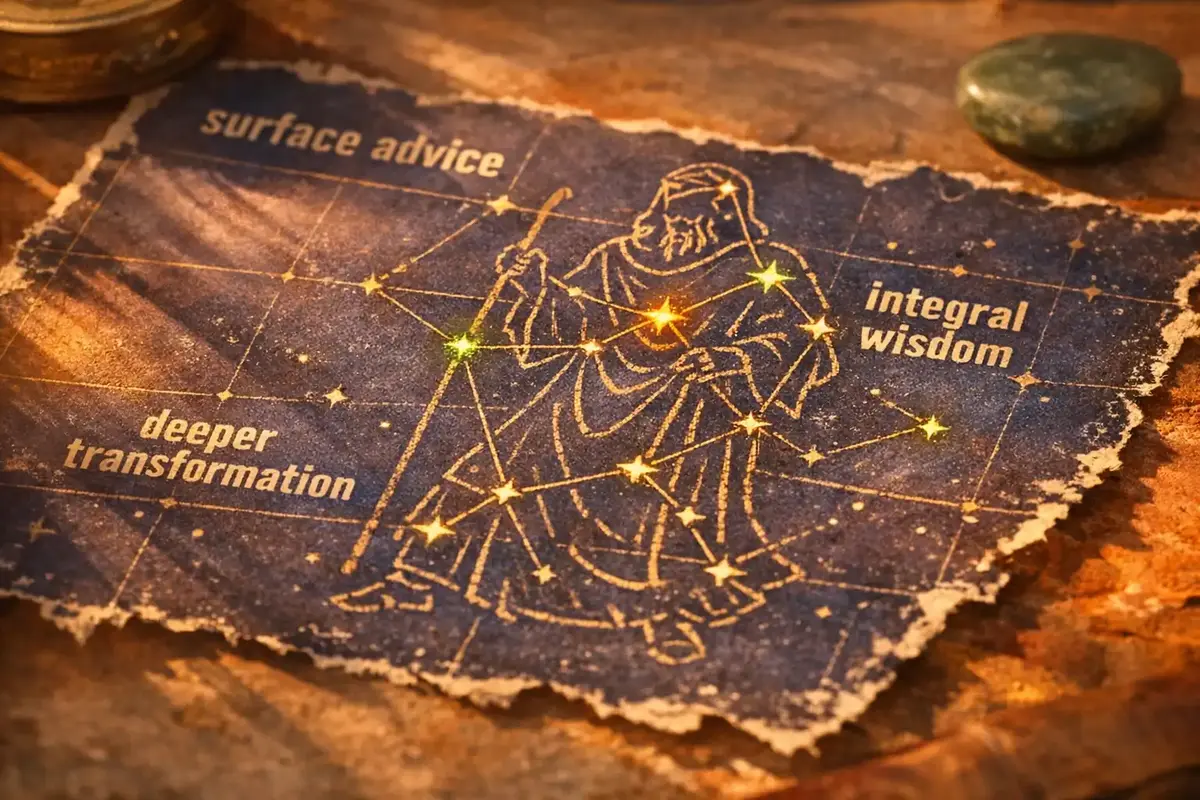
!A visual comparison of surface-level advice and integral AI coaching
How Does Integral Wisdom Transform the AI Coaching Experience?
Most AI coaching platforms focus on efficiency and scale—automating reminders, providing feedback, or suggesting next steps. But what if efficiency isn’t enough? Integral wisdom, as developed by The Integral Institute and similar pioneers, brings a multi-dimensional lens to coaching. It recognizes that real transformation involves not just what we do, but how we think, feel, relate, and make meaning.
Integral methodologies operate on a few key principles:
- Multiple Perspectives: True growth addresses both internal (mindset, values, self-awareness) and external (skills, behaviors, organizational culture) dimensions.
- Developmental Stages: People and organizations evolve through predictable stages, each with unique strengths and challenges.
- Systemic Context: Change is sustainable when it aligns personal development with team dynamics, organizational systems, and broader environments.
Most teams assume that AI can only automate what’s already explicit—like scheduling or knowledge delivery. But drawing on TII’s two-decade integral methodology, AI can be trained to recognize and respond to deeper patterns: limiting beliefs, value misalignments, or systemic obstacles that block progress.
So, what does this look like in practice? Instead of a chatbot that offers “Have you tried delegating more?” when you mention overwhelm, an integral AI coach might ask, “What beliefs about control or trust are shaping your approach to delegation?” This subtle shift moves the conversation from symptom to root cause, opening the door to lasting change.
If you’re wondering how these principles are translated into technology, platforms like AI Coach System embed integral methodologies directly into their AI algorithms—enabling the system to facilitate nuanced, individualized development journeys.
What Are the Core Frameworks Behind Integral AI Coaching?
To understand what sets integral AI coaching apart, it helps to look at the frameworks that underpin it. The International Coaching Federation’s AI Coaching Standards organize best practices into six domains: Foundation, Co-Creating the Relationship, Communicating Effectively, Cultivating Learning and Growth, Assurance and Testing, and Technical Factors (ICF, 2024).
Integral AI coaching takes these standards further by integrating:
- Self-Assessment: Encouraging users to reflect on their own motivations, blind spots, and developmental edges.
- Values Alignment: Connecting goals and actions to personal and organizational values.
- Systemic Mapping: Identifying how personal change interacts with team and organizational systems.
- Continuous Feedback: Providing ongoing, real-time feedback loops that adapt as users grow.
Where generic AI advice might offer a checklist for better time management, an integral approach would explore how your relationship to time, priorities, and boundaries is influenced by your values, team culture, and even organizational structures. This holistic mapping is what enables deeper, more sustainable growth.
For those evaluating platforms, understanding these AI coaching frameworks is crucial—without them, AI coaching risks becoming just another productivity tool, rather than a catalyst for transformation.
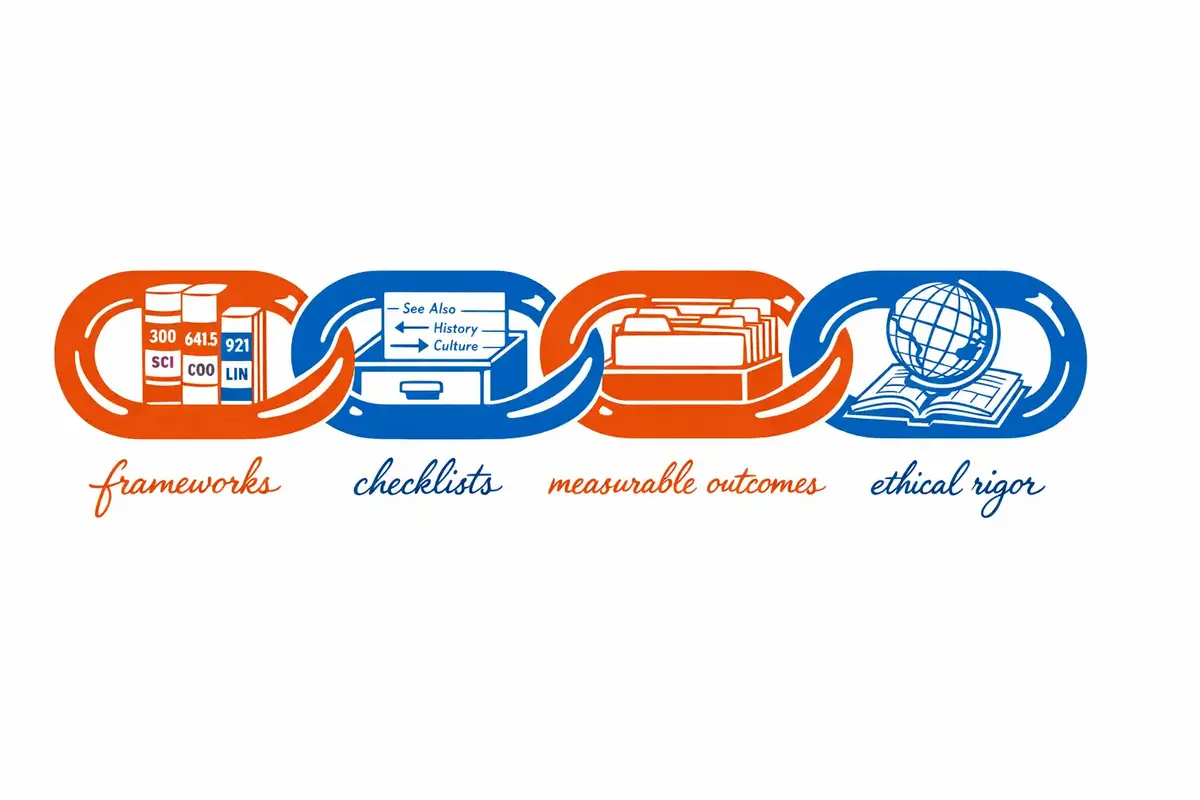
!A visual representation of integral coaching frameworks in AI
How Does Integral AI Coaching Personalize Development and Drive Real Change?
Personalization is often touted as a benefit of AI coaching, but what does it really mean? Most platforms personalize by analyzing user data—goals, preferences, feedback—and adjusting recommendations accordingly. Yet, this is often limited to what’s easily measurable.
Integral AI coaching, by contrast, personalizes at a much deeper level. It recognizes that two people facing the same challenge—say, managing a difficult team—may need entirely different developmental pathways. One may need to build confidence, another to develop empathy, and a third to address systemic team dynamics. The AI coach, grounded in integral wisdom, can differentiate between these needs and adapt its approach in real time.
“61% of global employees say they feel excited about how AI will change the way they work.” (Korn Ferry, 2025)
This excitement reflects a growing recognition that AI, when designed with depth and ethics in mind, can unlock new possibilities for growth—not just automate old habits.
The implication? If you’re evaluating AI coaching solutions, look for evidence that the system can:
- Adapt to different developmental stages and learning styles
- Surface underlying beliefs and values, not just behaviors
- Integrate feedback from multiple sources (self, peers, organizational data)
- Support ongoing reflection and learning, not just one-off interventions
What Does “Transformation” Look Like in Integral AI Coaching?
Transformation is a word that gets thrown around a lot, but in the context of integral AI coaching, it has a specific meaning: a fundamental shift in how we see ourselves, relate to others, and engage with our work. It’s not just about acquiring new skills—it’s about changing the underlying mindsets and patterns that shape our actions.
Let’s consider a scenario. Most managers assume that improving team performance is a matter of better goal-setting or clearer communication. But research shows only 23% of employees feel educated on business goals, even though 84% of leaders think they’re communicating them effectively (Culture Amp, 2025). This disconnect isn’t solved by more information; it requires a shift in perspective, empathy, and organizational culture.
Integral AI coaching addresses this by:
- Facilitating self-awareness and reflection
- Encouraging exploration of values and purpose
- Supporting experimentation with new behaviors
- Linking individual growth to team and organizational outcomes
If you’re curious about tangible results, transformation case studies demonstrate that this approach can lead to measurable improvements in engagement, retention, and leadership effectiveness.
!A scenario showing the impact of integral AI coaching on team dynamics
How Do You Evaluate Whether an AI Coaching Platform Is Truly Transformational?
With so many platforms claiming to offer “transformational” coaching, how can you tell which ones actually deliver? Here’s a practical checklist to help you assess depth, ethics, and sustainability:
- Framework Transparency: Does the platform clearly explain its coaching frameworks and methodologies? (Look for references to ICF standards or integral methodologies.)
- Personalization Depth: Can the AI adapt to your unique context, values, and developmental stage?
- Ethical Safeguards: Are there clear policies for privacy, bias mitigation, and user consent?
- Continuous Feedback: Does the system support ongoing learning and adaptation, not just one-off advice?
- Real-World Outcomes: Are there transformation case studies or data showing sustained impact?
- User Empowerment: Does the platform encourage self-reflection, experimentation, and ownership of growth?
Most teams assume that a slick interface or a large content library signals quality. But research and industry standards suggest that depth, transparency, and ethical rigor are far better predictors of real impact.
If you’re looking for a hands-on way to apply this, many platforms now offer coaching checklists or self-assessment tools to help you evaluate fit and effectiveness.
What Are the Organizational Benefits of Integral AI Coaching?
The impact of integral AI coaching extends far beyond individual development. At the organizational level, it can:
- Strengthen leadership pipelines by supporting growth at every level
- Foster cultures of continuous learning and feedback
- Bridge the gap between strategy and execution by aligning personal, team, and organizational goals
- Increase retention and engagement by addressing the full spectrum of employee needs
“82% of the World’s Most Admired Companies say people are more important than technology for driving growth.” (Korn Ferry, 2025)
This insight challenges the assumption that technology alone is the answer. The most successful organizations use AI as a catalyst for human development, not a replacement for it.
If your organization is focused on leadership coaching, talent development, or culture transformation, integral AI coaching offers a scalable, ethically grounded approach that aligns with both business and human priorities.
How Do Integral AI Coaches Bring Philosophy to Life?
It’s one thing to talk about integral wisdom; it’s another to see it in action. Coaches who embody this philosophy—like those profiled in the AI Coach System—demonstrate how integral frameworks can be operationalized through technology. These digital coaches are modeled on real practitioners who combine expertise in leadership, psychology, and systems thinking, ensuring that every interaction is rooted in depth and ethical rigor.
For example, an AI coach inspired by integral wisdom might guide a user through a process of clarifying values, mapping systemic influences, and experimenting with new behaviors—all while maintaining a focus on measurable outcomes. This approach moves beyond advice-giving to become a true partner in transformation.
FAQ: Beyond Surface-Level Advice in AI Coaching
How is integral AI coaching different from generic AI advice?
Integral AI coaching uses holistic frameworks to address mindset, values, and systemic context, not just behaviors or quick fixes. Generic AI advice tends to be transactional—offering tips or reminders—while integral AI coaching facilitates deeper self-awareness, values alignment, and sustainable growth.
What are the ethical safeguards in integral AI coaching?
Ethical safeguards include transparency about methodologies, privacy protections, bias mitigation, and user consent. Platforms grounded in ICF standards and integral methodologies prioritize client-centered, safe, and trustworthy coaching experiences, ensuring that technology serves human development rather than replacing it.
Can integral AI coaching really personalize development?
Yes. Integral AI coaching adapts to each user’s developmental stage, context, and values. It recognizes that the same challenge may require different approaches for different people, and it continuously adjusts its guidance based on ongoing feedback and reflection.
How do organizations measure the impact of integral AI coaching?
Organizations look for measurable improvements in engagement, retention, leadership effectiveness, and alignment with business goals. Transformation case studies and continuous feedback loops help track both qualitative and quantitative outcomes over time.
Is integral AI coaching only for executives or leaders?
No. While it’s highly effective for leaders, integral AI coaching benefits professionals at all levels. Its holistic approach supports anyone seeking deeper self-awareness, growth, and alignment with organizational values and goals.
What should I look for when choosing an AI coaching platform?
Prioritize platforms that are transparent about their frameworks, offer deep personalization, have strong ethical safeguards, provide real-world outcome data, and empower users to take ownership of their growth. Look for evidence of integral methodologies and alignment with recognized standards.
How does integral AI coaching support continuous learning?
Integral AI coaching provides ongoing, adaptive feedback and encourages regular reflection, experimentation, and learning. It’s not a one-time intervention but a continuous partnership that evolves as users grow and as organizational needs change.
Continue Your Leadership Journey
The future of coaching isn’t just about scaling advice—it’s about deepening transformation. By grounding AI coaching in integral wisdom, organizations and individuals can move beyond surface-level fixes to achieve lasting, meaningful change. Whether you’re evaluating platforms, designing development programs, or simply seeking to grow as a leader, understanding the difference between transactional advice and integrative transformation is the first step toward a more empowered, impactful future.