
If you’ve ever watched a high-performing colleague suddenly lose their spark, or found yourself dreading Monday despite loving your work, you’re not alone. Burnout isn’t just a buzzword—it’s a daily reality for top talent and leaders, quietly eroding well-being and organizational performance. The stakes are high: without proactive support, even your most promising people can go from driving results to disengaging or walking out the door. By understanding how AI-powered coaching can offer personalized, scalable support, you’ll see how organizations are now tackling burnout at its roots—building resilience and sustainable high performance for their most valuable employees.
Why Are High-Potential Employees and Leaders Especially at Risk for Burnout?
Let’s start with a common assumption: burnout is just a matter of working too many hours. But research consistently shows it’s more complex, especially for high-potential employees and leaders. These are the people who thrive on challenge, take on stretch assignments, and are often seen as future leaders. Ironically, it’s precisely this drive and visibility that puts them at greater risk.
23% of employees reported feeling burned out at work very often or always, while an additional 44% reported feeling burned out sometimes (about two-thirds of full-time workers experience burnout on the job). (Gallup, 2018)
High-potentials and leaders often face:
- Unclear boundaries: They’re expected to “step up” whenever needed, blurring lines between work and rest.
- Role overload: As go-to problem solvers, they’re handed critical projects on top of their core responsibilities.
- Isolation at the top: The higher you rise, the fewer peers you have to confide in about stress or doubts.
- Perfectionist culture: High expectations—both self-imposed and external—make it hard to admit vulnerability.
It’s easy to assume that these employees are naturally resilient. But the reality is, their very strengths—ambition, commitment, and adaptability—can become liabilities when organizations don’t provide the right support structures. The cost isn’t just personal: burned-out employees are 2.6 times as likely to leave their current employer and 63% more likely to take a sick day (Gallup, 2018).
What Are the Main Causes and Symptoms of Burnout?
Burnout is more than just feeling tired. It’s a state of emotional, physical, and mental exhaustion caused by prolonged stress—often accompanied by cynicism, detachment, and a sense of ineffectiveness. For high-potential employees and leaders, the symptoms can be subtle at first: irritability, declining creativity, or a sense of going through the motions.
The root causes, according to Gallup’s research, are:
- Unmanageable workload: Too much to do, too little time or support.
- Lack of role clarity: Unclear expectations or shifting priorities.
- Lack of communication and support from managers: Feeling left to navigate challenges alone.
- Unfair treatment: Perceptions of favoritism or lack of recognition.
- Unreasonable time pressure: Constant urgency with no relief.
Most teams assume that burnout is the inevitable price of ambition or organizational change. But the evidence tells a different story: it’s often a result of systemic issues—like poor management practices, lack of support, or unclear priorities—that can be addressed with the right interventions.
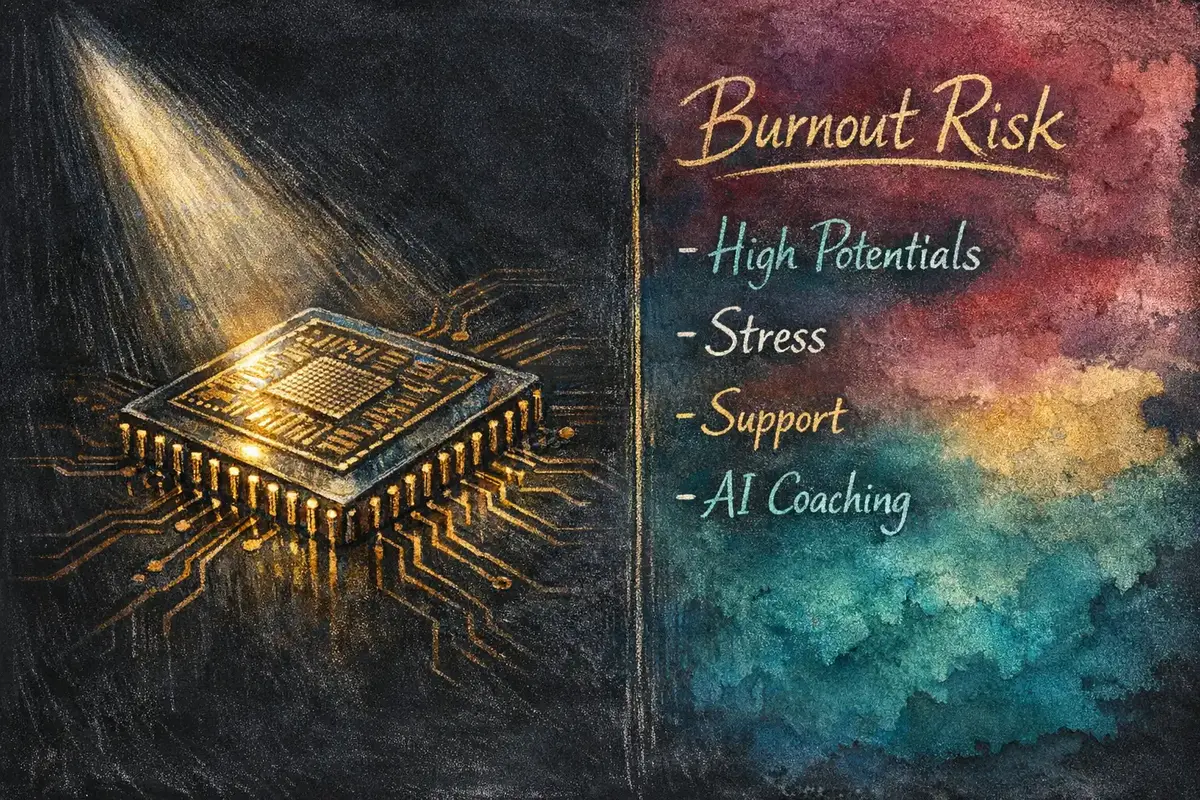
How Does AI Coaching Help Prevent Burnout?
Here’s the thing: traditional solutions—like generic wellness programs or one-off workshops—rarely address the unique needs of high-potential employees and leaders. What’s needed is personalized, real-time support that adapts to individual challenges and helps people build sustainable habits.
This is where AI coaching steps in. Unlike static resources, AI coaches are available 24/7, offering tailored guidance on everything from stress management to prioritization and boundary-setting. They can:
- Prompt self-reflection and early identification of burnout symptoms
- Offer evidence-based strategies for managing workload and emotions
- Provide a safe, judgment-free space to explore challenges and set goals
- Track progress and adapt recommendations based on user feedback
For example, if a high-potential employee is struggling with role overload, an AI coach can help them clarify priorities, rehearse conversations with their manager, and develop coping strategies—all on their schedule. This kind of just-in-time support is especially valuable for those who may hesitate to seek help or can’t easily access a human coach.
But does it work? The American Institute of Stress highlights that AI coaching’s ability to provide personalized, on-demand support is a game-changer for combating burnout, especially in organizations where traditional coaching can’t scale to meet demand (The American Institute of Stress, 2024).
What Is the “AI Burnout Paradox” and How Can We Address It?
Most teams assume that introducing AI will automatically reduce stress by automating routine work. But recent research reveals a more complex reality. In an eight-month study, 83% of workers said AI increased their workload; 62% of associates and 61% of entry-level workers reported burnout, compared to 38% of C-suite leaders (Harvard Business Review, 2026).
Why does this happen? When AI is layered onto existing processes without clear boundaries or training, it can actually intensify cognitive demands—creating a sense of always being “on” and accelerating the pace of work. For high-potentials, who are often early adopters and problem-solvers, this can mean even more pressure to adapt, learn, and deliver.
This paradox means that AI coaching must be implemented thoughtfully. It’s not just about providing another tool, but about helping employees:
- Set healthy boundaries with technology
- Prioritize deep work over constant responsiveness
- Develop digital literacy and self-advocacy skills
The implication is clear: AI coaching can be a powerful ally in preventing burnout, but only when it’s part of a holistic approach that includes training, support, and a culture of psychological safety.
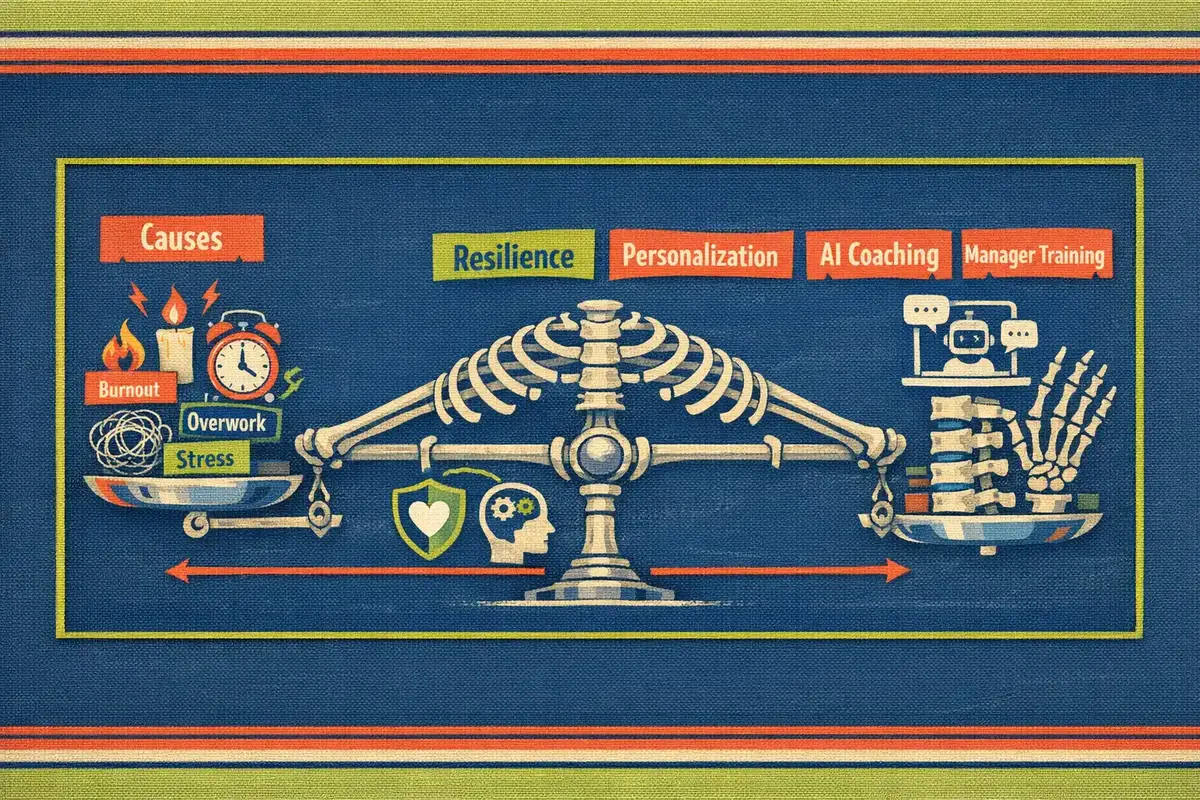
How Does AI Coaching Personalize Support for High-Potential Employees and Leaders?
Personalization is at the heart of effective burnout prevention. Unlike one-size-fits-all programs, AI coaching platforms use data from real coaching sessions and user interactions to tailor their guidance. For example, an AI coach can:
- Identify patterns of stress or disengagement based on user input
- Suggest targeted exercises for stress management or time prioritization
- Offer scenario-based rehearsals for difficult conversations or decision-making
- Adapt its approach as the user’s needs evolve
This is particularly valuable for high-potential employees who may be facing unique challenges—like managing visibility, handling ambiguity, or balancing rapid growth with personal well-being. AI coaching can help them develop self-awareness, resilience, and proactive coping strategies, all while respecting their confidentiality and autonomy.
What’s often overlooked is that AI coaching isn’t just about individual support. It can also provide aggregate insights to organizations, highlighting systemic stressors or areas where teams may need additional resources. This dual focus—personal and organizational—makes AI coaching a uniquely powerful tool for sustainable high performance.
Can AI Coaching Replace Human Coaches for Burnout Prevention?
It’s tempting to see AI as a replacement for human connection, but the most effective organizations treat it as a complement, not a substitute. AI coaches excel at delivering consistent, scalable, and immediate support—especially for routine check-ins, skill-building, or early-stage reflection.
However, there are moments when human empathy, intuition, and contextual understanding are irreplaceable. For instance, navigating complex interpersonal dynamics or processing deep emotional distress may require the nuance of a skilled human coach. The key is to design a system where AI coaching handles the “always-on” support, while human coaches step in for higher-order challenges.
This blended approach is grounded in the Integral Model’s multi-level framework, which recognizes that sustainable change requires addressing individual mindset, professional competencies, and organizational culture simultaneously. By integrating AI and human coaching, organizations can create a safety net that catches issues early and escalates support when needed.
How Does Manager Training and Engagement Impact Burnout Prevention?
There’s a persistent belief that burnout is an individual problem to be solved with self-care or resilience training. But the data tells us otherwise: less than half of the world’s managers (44%) say they have received management training; providing training can improve manager thriving levels from 28% to 34% and boost manager performance metrics by 20 to 28% (Gallup, 2025).
Manager engagement is a critical buffer against burnout. When managers are trained and supported, they’re better equipped to:
- Recognize early signs of burnout in their teams
- Set clear expectations and boundaries
- Foster open communication and psychological safety
- Model healthy work habits
AI coaching can play a pivotal role here by offering manager training modules that build coaching skills, emotional intelligence, and practical tools for supporting team well-being. This not only helps managers care for their teams but also addresses their own risk of burnout—a growing concern as manager engagement fell from 30% to 27% globally in 2024, with young and female managers experiencing the largest declines (Gallup, 2025).
What Are the Best Practices for Implementing AI Coaching at Scale?
Implementing AI coaching isn’t just about rolling out a new app. It requires thoughtful program design, clear communication, and ongoing evaluation. Here’s a step-by-step approach, drawing on TII’s two-decade integral methodology:
- Assess needs and readiness: Use surveys or interviews to identify burnout hotspots and readiness for digital interventions.
- Define clear goals: Are you aiming to reduce absenteeism, improve engagement, or support a specific group (like high-potentials)?
- Choose the right platform: Look for AI coaching solutions that offer personalization, privacy, and integration with existing HR systems.
- Communicate value and boundaries: Explain how AI coaching works, what data is collected, and how confidentiality is maintained.
- Blend with human support: Establish escalation pathways for issues that require human intervention.
- Measure and iterate: Track metrics like engagement, well-being, and retention. Use feedback to refine the program.
It’s also essential to address ethical and privacy considerations upfront. Employees need to trust that their data is secure and that AI coaching is a support—not a surveillance—tool.
How Can Organizations Measure the ROI of AI Coaching for Burnout Prevention?
Most organizations track absenteeism, turnover, and engagement as proxies for well-being. But to measure the true impact of AI coaching, consider these additional metrics:
- Reduction in reported burnout symptoms (via pulse surveys)
- Improvement in employee well-being and resilience scores
- Manager confidence and skill in supporting teams
- Utilization rates and satisfaction with AI coaching tools
- Retention and promotion rates among high-potential employees
Given that job stress costs U.S. businesses over $300 billion annually due to absenteeism, turnover, diminished productivity, and medical expenses (The American Institute of Stress, 2024), even small improvements can yield significant returns. The key is to link AI coaching outcomes to business metrics that matter—showing not just happier employees, but a healthier bottom line.
How Does AI Coaching Integrate with Broader Leadership and Well-Being Strategies?
AI coaching isn’t a silver bullet, but it’s a powerful addition to a holistic strategy for building resilient, high-performing organizations. The most effective programs integrate AI coaching with:
- Leadership development: Embedding coaching skills and self-awareness into leadership pipelines
- Employee well-being initiatives: Aligning with mental health resources, flexible work policies, and recognition programs
- Organizational culture: Promoting psychological safety, open feedback, and continuous learning
By weaving AI coaching into these broader efforts, organizations can create a culture where well-being and performance reinforce each other—not compete for attention.
FAQ: Leveraging AI Coaching to Prevent Burnout
What makes high-potential employees more vulnerable to burnout?
High-potential employees often take on extra responsibilities, strive for excellence, and are highly visible within their organizations. This drive, combined with ambiguous expectations and constant pressure to perform, increases their risk for burnout compared to their peers.
How does AI coaching differ from traditional coaching for burnout prevention?
AI coaching provides 24/7, on-demand support that’s personalized to each user’s needs. While traditional coaching offers deep, human connection, AI coaching excels at scalability, consistency, and immediate guidance—making it ideal for ongoing check-ins and skill-building.
Can AI coaching help managers support their teams more effectively?
Yes. AI coaching platforms often include modules for manager training, helping leaders recognize burnout, set clear expectations, and foster a supportive team environment. This multiplies the impact by equipping managers to proactively address stress within their teams.
What privacy concerns exist with AI coaching platforms?
Privacy is a valid concern. Leading platforms prioritize data security, transparency, and user consent. It’s important to communicate how data is used, stored, and protected, and to ensure that coaching conversations remain confidential.
Is AI coaching effective for stress management?
Research and industry evidence suggest that AI coaching can be highly effective for stress management, especially when combined with human support and organizational commitment to well-being. Its real-time, personalized guidance helps users build sustainable coping strategies.
How should organizations measure the success of AI coaching for burnout prevention?
Organizations should track reductions in burnout symptoms, improvements in employee well-being, manager engagement, and business outcomes like retention and productivity. Regular feedback and utilization data can help refine and demonstrate program effectiveness.
What are the limitations of AI coaching for burnout?
AI coaching is not a replacement for human empathy or clinical mental health support. It works best as part of a blended approach, handling routine support and skill-building while escalating complex or sensitive issues to human coaches or professionals.
Continue Your Leadership Journey
Preventing burnout among high-potential employees and leaders isn’t just about avoiding negative outcomes—it’s about unlocking sustainable high performance and resilience. By leveraging AI coaching alongside proven leadership and well-being strategies, organizations can create environments where top talent thrives, not just survives. As the landscape of work continues to evolve, the most successful teams will be those that invest in both cutting-edge technology and the timeless fundamentals of human support.